
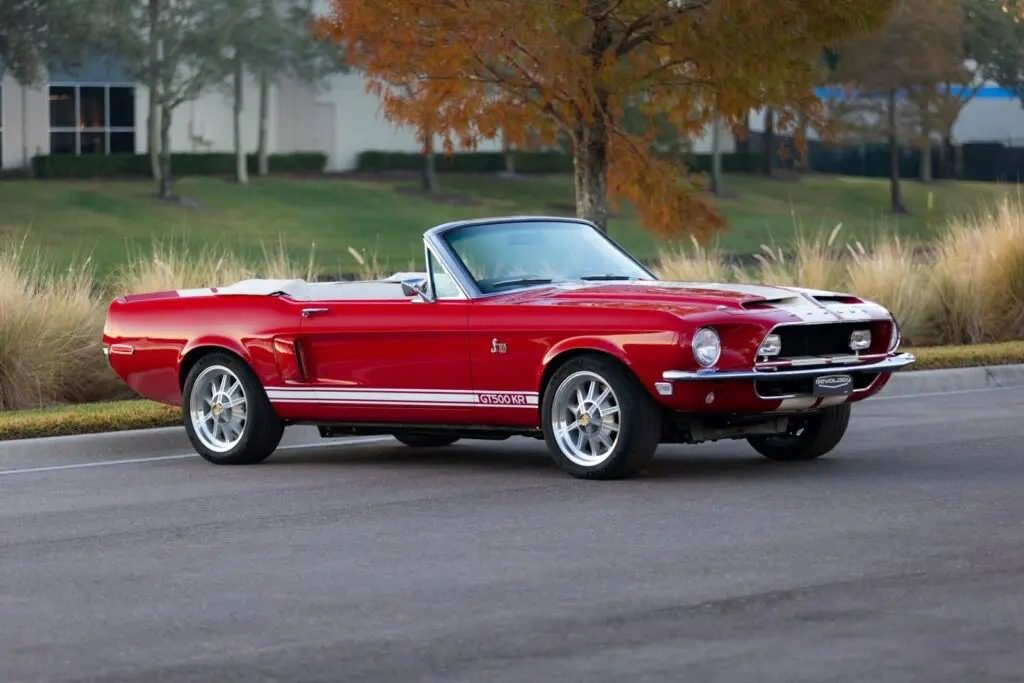
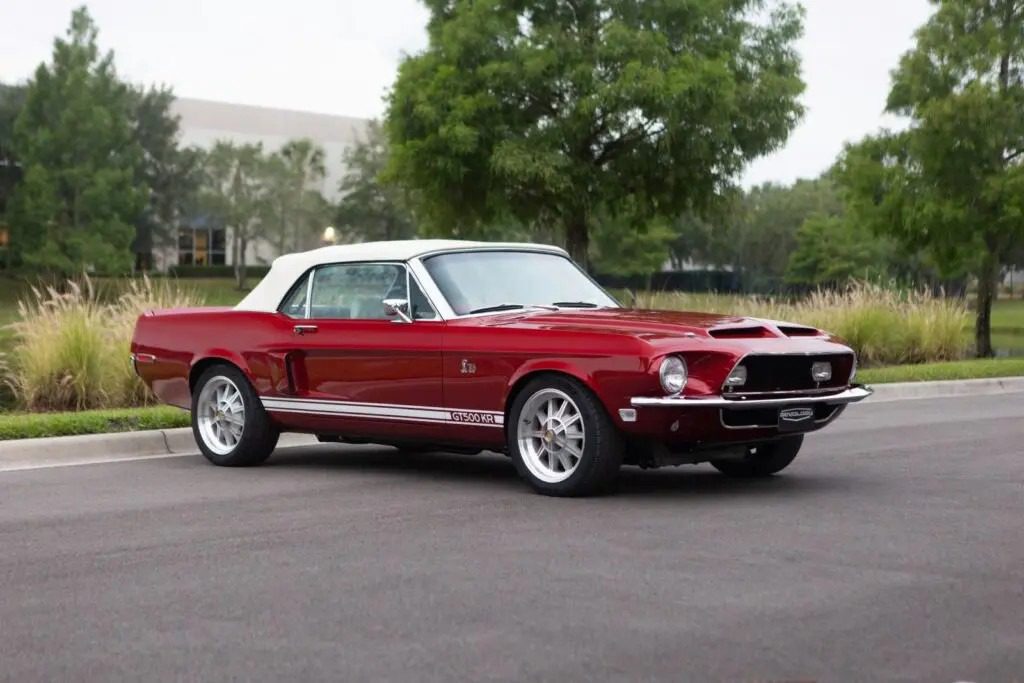
The 1968 Shelby GT500KR Convertible for sale holds a legendary status among car aficionados. Dubbed the “King of the Road,” this machine was the ultimate expression of Ford’s performance prowess in the late 1960s, combining raw power with distinctive Shelby styling. Restoring one of these rare and valuable convertibles is a journey that demands dedication, precision, and a deep appreciation for automotive heritage.
It is more than a mechanical exercise; it is an act of preserving a piece of motoring history. This guide offers a pathway for those undertaking such a significant project, aiming to bring a GT500KR back to its original splendor, or perhaps even beyond, with thoughtful considerations for drivability. The undertaking is substantial, but the reward, possessing a perfectly restored icon, is immeasurable.
Understanding the 1968 Shelby GT500KR Convertible
Before commencing any work, a full understanding of what makes the 1968 Shelby GT500KR Convertible special is beneficial. Introduced mid-year in 1968, the “KR” designation signified the presence of the new 428 Cobra Jet engine. This powerhouse, conservatively rated at 335 horsepower, delivered formidable torque and street presence.
Unique Shelby features included a fiberglass hood with functional scoops, a fiberglass trunk lid with an integrated spoiler, distinctive taillights, and special badging. The interior often featured a deluxe package with woodgrain accents and a roll bar with inertia-reel seatbelts, a notable safety feature for the era. Knowledge of these specific elements is fundamental for an accurate restoration.
Phase One: Comprehensive Assessment and Planning
A meticulous restoration begins not with a wrench, but with a detailed examination and a well-structured plan. This initial phase is about understanding the canvas you are working with.
Initial Vehicle Inspection
A thorough inspection of the GT500KR for sale is the first step. Document everything. Assess the condition of the body panels, looking for previous repairs, rust, and the integrity of the unique fiberglass components. Examine the chassis for straightness and corrosion, particularly the frame rails, torque boxes, and floor pans, which are common areas for Mustangs of this vintage to suffer. The state of the original 428 Cobra Jet engine and its accompanying C6 automatic or 4-speed manual transmission needs careful evaluation.
Are they numbers-matching to the chassis? What is their operational condition? The interior components, from the seats and dashboard to the convertible top mechanism, require a similar detailed review. Note all missing or incorrect parts, as sourcing genuine KR-specific items can be a quest in itself.
Historical Research and Documentation
Gather all available documentation for your specific vehicle. This might include build sheets, Marti Reports, previous ownership records, and any photographs. Understanding the car’s original configuration, options, and history will guide your restoration choices, particularly if aiming for concours-level authenticity. Marti Reports are especially valuable for Ford products of this era, providing precise production details, original colors, and equipment.
Developing a Restoration Strategy
Based on the inspection and historical data, define the goals for your restoration. Are you aiming for a factory-correct show car, a reliable weekend driver, or something in between? This decision will influence your budget, timeline, and approach to sourcing parts or considering subtle modern improvements.
Create a detailed project plan, breaking down the restoration into manageable stages such as disassembly, bodywork, powertrain, interior, and final assembly. A realistic budget should be allocated to each stage, factoring in potential unexpected issues that frequently arise in projects of this magnitude.
Phase Two: Disassembly and Cataloging
With a plan in place, the careful process of disassembly can begin. This stage requires organization and patience.
Systematic Teardown
Disassemble the GT500KR methodically. Take numerous photographs and videos from multiple angles before and during the removal of each component. This visual record will be indispensable during reassembly. Label every part, nut, bolt, and wire connector. Use plastic bags, tags, and containers to keep related components together. For example, all fasteners for the front grille should be bagged and labeled as such.
Parts Inventory and Condition Assessment
As parts are removed, inspect each one for condition. Decide if it can be restored, repaired, or if a replacement is needed. Create a detailed inventory list, noting the condition of each part and its disposition. This list will be crucial for ordering new or refurbished components. Pay special attention to Shelby-specific parts; their rarity means restoration is often preferred over replacement if feasible.
This includes items like the unique steering wheel, Stewart-Warner gauges (if equipped), and specific trim pieces. This meticulous process ensures you can how to spot real parts versus aftermarket items. Restoring these classics is a labor of love that ensures the 1967 GT500 is powerful for generations to come.
Phase Three: Bodywork and Paint
The body of the GT500KR is its most visible aspect, and achieving a flawless finish is paramount. This phase is often the most time-consuming and demanding.
Addressing Metal and Fiberglass
The GT500KR features a steel unibody with several distinctive fiberglass components, including the hood, front-end extensions, side scoops, and trunk lid with integrated spoiler.
Metalwork involves repairing or replacing any rusted or damaged steel panels. This might include floor pans, quarter panels, fenders, and trunk floors.
Use high-quality replacement panels that offer correct fitment. Ensure the unibody is structurally sound and correctly aligned on a chassis jig if significant repairs are undertaken.
Fiberglass repair requires specialized skills. Cracks, breaks, and warping are common issues. Original Shelby fiberglass parts are valuable, so repair them whenever possible. If replacement is unavoidable, seek out high-quality reproductions that accurately mimic the originals.
Surface Preparation
Achieving a show-quality paint finish relies heavily on meticulous surface preparation. All old paint, filler, and rust must be removed, typically through media blasting or chemical stripping. After stripping, the bare metal should be treated with an epoxy primer to prevent surface rust and provide a good foundation for subsequent layers.
Body filler, if needed, should be applied sparingly and expertly shaped. Multiple rounds of priming, block sanding, and guide coating are necessary to achieve perfectly straight panels and sharp body lines.
Paint Application
Selecting the correct paint color is a significant decision. Research the original 1968 Shelby color palette and choose one that is authentic to the car or suits your preference if not aiming for strict originality. A high-quality modern paint system, such as a basecoat/clearcoat urethane, will provide a deep, durable shine. The paint should be applied in a controlled environment by an experienced painter. Pay attention to details like painting the undercarriage and engine bay in the correct factory finishes. After the color and clear coats are applied, wet sanding and buffing will bring out the final luster.
Phase Four: Powertrain and Mechanical Restoration
The heart of the “King of the Road” is its 428 Cobra Jet engine. Rebuilding this and other mechanical systems to peak condition is central to the restoration.
Engine Rebuild
The 428 Cobra Jet engine should be completely disassembled, cleaned, and inspected. Measure all critical tolerances. The block may require boring, and the crankshaft may need grinding. Use high-quality components for the rebuild, including pistons, rings, bearings, camshaft, and valvetrain components.
Aim for factory specifications unless subtle performance upgrades are planned. Many machine shops specialize in classic Ford FE engines and can provide expert services. The Holley 735 CFM carburetor, unique to the Cobra Jet, should be professionally rebuilt.
Transmission and Drivetrain
Whether your GT500KR has the C6 automatic or the Toploader 4-speed manual, the transmission requires a full rebuild. Replace all seals, gaskets, clutches (for automatics), and synchronizers (for manuals).
The driveshaft should be balanced, and the U-joints replaced. The Ford 9-inch rear axle is robust, but it should be inspected, and bearings and seals replaced. The correct gear ratio should be verified or restored.
Suspension and Steering
Restore the suspension to factory specifications for an authentic ride and handling. This includes replacing leaf springs, coil springs, shock absorbers (Koni shocks were a common period upgrade and sometimes factory-installed on Shelbys), bushings, and ball joints. The power steering system, including the pump, control valve, and ram, should be rebuilt or replaced to eliminate leaks and ensure proper operation.
Braking System
The 1968 GT500KR came standard with power front disc brakes and rear drum brakes. Rebuild the calipers and wheel cylinders. Replace brake pads, shoes, rotors, drums, and all hydraulic lines. The master cylinder and power booster should be rebuilt or replaced with correct units. This system is vital for safety and performance.
Cooling and Fuel Systems
A big-block engine like the 428 Cobra Jet generates significant heat. The radiator should be professionally cleaned, pressure-tested, and repaired or re-cored. Replace the water pump, thermostat, and all hoses. The fuel tank should be cleaned and sealed, or replaced if heavily corroded. Replace all fuel lines and the fuel pump.
Phase Five: Interior Restoration
The interior of a Shelby GT500KR combines Mustang GT elements with unique Shelby touches, creating a sporty and luxurious environment.
Upholstery and Soft Trim
The Deluxe Interior Décor Group was standard on Shelbys. This included Comfortweave vinyl seats, molded door panels with woodgrain inserts, and unique trim. Source high-quality reproduction upholstery kits that match the original patterns and materials. Replace seat foam to restore comfort and shape. New carpeting, headliner (for coupes, though this guide focuses on convertibles), and door sill plates will refresh the cabin.
This attention to detail is essential to understand what makes GT Cobra Jet special. The convertible top itself, along with its frame, weatherstripping, and hydraulic or power mechanism, is a complex subsystem that demands expert attention for proper fit and function. This entire process speaks to why the 1967 GT350 is highly desired by collectors.
Dashboard and Instrumentation
Restore the dashboard pad, which is prone to cracking. The unique Shelby instrumentation, often including a tachometer and trip odometer mounted under the dash or an oil pressure and ammeter in a console, needs careful restoration.
Keep in mind that gauges should be tested, recalibrated, or rebuilt. Woodgrain appliqués on the dash and door panels should be replaced if faded or damaged. The original AM or AM/FM radio can be restored, or a modern replica offering better sound quality can be subtly integrated.
Shelby-Specific Details
Pay close attention to Shelby-specific interior items. The wood-rimmed steering wheel (or optional tilt-away column), the Cobra-badged gear shifter, and the center console with its Stewart-Warner gauges (if so equipped) are defining features. The padded roll bar with inertia-reel seatbelts is another key element of the KR convertible. Sourcing or restoring these components accurately is important for an authentic interior.
Phase Six: Electrical System and Wiring
The electrical system is the nervous system of the car. Age and modifications can leave it unreliable.
Wiring Harness Replacement
It is highly recommended to replace the entire wiring harness in a car of this age. Reproduction harnesses are available that match the original color codes and connectors. This will prevent countless electrical gremlins that can plague older vehicles and is a significant safety improvement.
Component Check
Test all electrical components, including lights, switches, motors (like the convertible top motor), and sending units. Repair or replace as necessary. Ensure proper grounding at all points, as this is a common source of electrical issues. The alternator, voltage regulator, and starter motor should be rebuilt or replaced with correct, reliable units.
Phase Seven: Reassembly, Fitment, and Finishing Touches
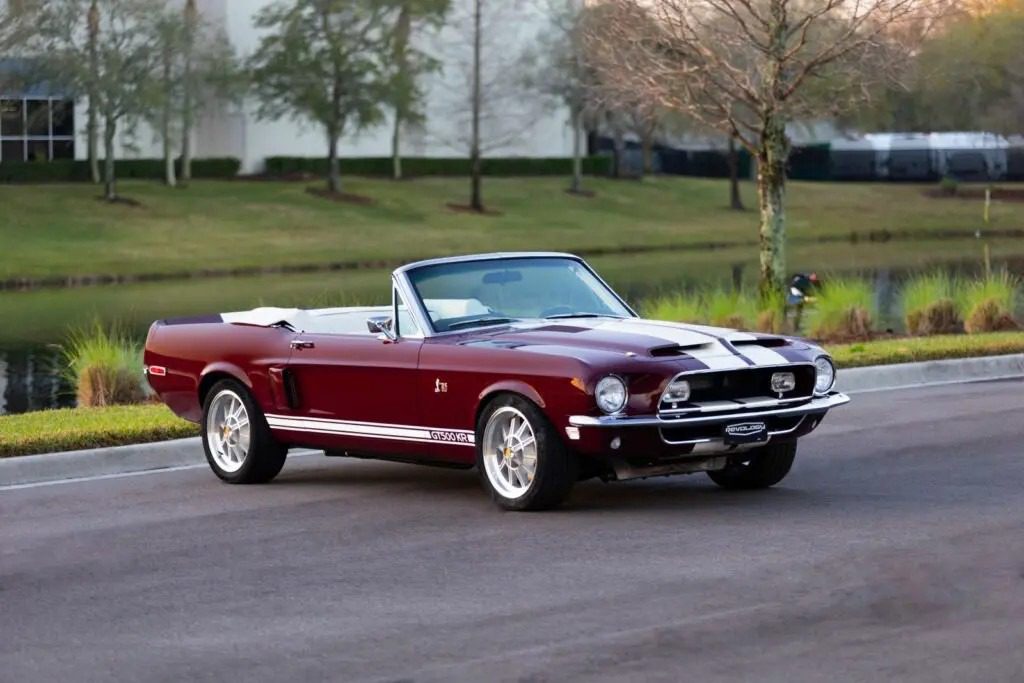
This is where all the restored and new components come together to form the complete vehicle. Patience and precision are key.
Careful Reassembly
Start with the larger systems like the powertrain and suspension, then move to the body panels, interior, and finally the trim. Install new weatherstripping throughout the car to ensure a good seal for doors, windows, and the convertible top. Take care to protect fresh paint during this process.
Panel Alignment and Final Adjustments
Achieving perfect panel gaps on the doors, hood, and trunk lid is an art. This requires careful adjustment of hinges and latches. Ensure the convertible top aligns correctly and seals properly when raised. All chrome trim, badges, and decals should be installed with precision, using correct fasteners. The distinctive Shelby stripes should be applied accurately.
System Checks and Shakedown
Once assembled, conduct thorough checks of all systems – brakes, steering, electrical, fuel, and cooling. Start the engine and perform initial tuning. After initial road tests, expect to make further adjustments to the carburetor, timing, and suspension alignment. This shakedown period is critical for identifying and resolving any remaining issues.
Revology Cars: Our Modern Lens on Classic Restoration
At Revology Cars, we have built our reputation by producing licensed reproductions of early model Mustangs that seamlessly integrate classic design with contemporary engineering and manufacturing quality.
Our approach focuses on retaining the soul and aesthetic of the original vehicle while improving performance, reliability, comfort, and safety to levels you would expect in a modern car. Our mission is centered around respecting the original vehicle’s spirit, while simultaneously refining aspects to meet contemporary standards.
While a concours restoration of a GT500KR rightly prioritizes historical accuracy, our underlying principles at Revology Cars offer valuable insights. Our unwavering attention to detail, exacting build quality, and the thoughtful integration of improvements that do not detract from the classic experience are hallmarks we believe any restorer can aspire to.
For a GT500KR owner who desires a car that is not only historically significant but also exceptionally drivable, looking at how we balance these aspects can inform certain choices. This is particularly relevant in areas like modern engine management, efficient climate control, or subtle suspension enhancements, should one decide to deviate slightly from a purely stock configuration to create a truly enjoyable classic for today’s roads.
The Culmination of Effort: A Restored Masterpiece
Restoring a 1968 Shelby GT500KR Convertible is an ambitious project, one that tests skill, resources, and perseverance. It is a deep immersion into automotive archaeology and craftsmanship.
The journey involves countless hours of research, labor, and problem-solving. However, the satisfaction derived from seeing this iconic “King of the Road” return to its majestic state is profound. Each meticulously restored component, every polished piece of chrome, and the unmistakable rumble of the 428 Cobra Jet engine contribute to a final product that is more than just a car; it’s a rolling piece of art and a significant piece of history.
The principles of unwavering quality, meticulous attention to detail, and a passion for automotive excellence, much like those exemplified by the craftsmen at Revology Cars in their creation of newly manufactured classic Mustangs, are what elevate a good restoration to an extraordinary one.
Whether your GT500KR is destined for the concours lawn or spirited drives on scenic roads, the dedication invested in its revival ensures that its legacy continues, inspiring awe and admiration for generations to come. Owning and preserving such a machine is a privilege, a testament to a golden era of automotive design and performance.