
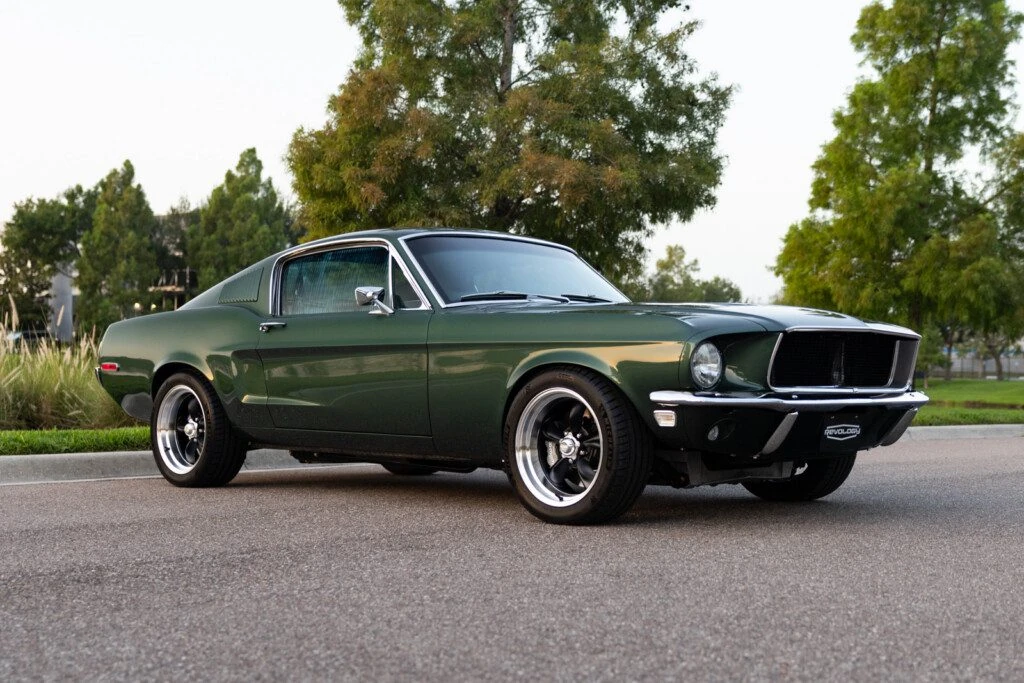
A classic Mustang is a first-generation Ford Mustang produced between 1964½ and 1973, spanning hardtop, fastback, and convertible body styles that remain among the most sought-after collector cars in the American market. Buying one requires careful evaluation across several areas.
This guide covers defining your ownership goals, verifying authenticity, inspecting mechanical and structural condition, evaluating the interior, navigating paperwork and valuation, and considering reproduction alternatives.
Clarifying whether you want a weekend cruiser, a show car, or a long-term investment shapes every decision that follows, from acceptable trim levels to how much originality matters. Hardtops make up roughly 70 percent of first-generation production, making them the most accessible starting point for new buyers.
Authenticity verification centers on the data plate (located on the driver-side door jamb), the VIN, and factory-option records. A Marti Report can serve as a birth certificate for 1967-and-later models, confirming exactly how the car left the assembly line.
Mechanical inspection should focus on the engine, transmission, drivetrain, suspension, and brakes. Vintage V8s are prone to specific failure points like worn timing chain sets and vapor lock under heat, and rebuild costs can range from $5,000 to over $20,000 depending on scope.
Rust is the single biggest threat to first-generation Mustangs. Torque boxes, frame rails, floor pans, and cowl vents are the most critical areas; structural corrosion in these zones can make repairs prohibitively expensive and compromise safety.
Interior condition and originality matter for both value and competition eligibility. Details like dated glass markings, correct trim-code appointment parts, and the distinction between reproduction components and original or NOS pieces all factor into a car’s grading.
Ownership documentation, title-transfer rules (which vary by state), and current market data round out the buying process. First-generation Mustangs averaged approximately $60,717 at sale in 2026 according to Classic.com, while models from low-volume vehicle builders like Revology Cars offer modern drivetrains and chassis technology inside period-correct steel bodies for buyers who prioritize reliability alongside classic aesthetics.
Why Is It Important to Define Your Purpose for Owning a Classic Mustang?
Defining your purpose for owning a classic Ford Mustang is important because it shapes every decision that follows, from budget and condition standards to insurance type and restoration scope. The most common uses fall into daily driving, collecting, and investment.
What Uses Are Common for Classic Mustangs—Daily Driving, Collecting, or Investment?
The most common uses for classic Mustangs are daily driving, collecting, and investment. Each use case demands a different approach to the purchase:
- Daily driving requires strong mechanical reliability, solid structural integrity (especially in rust-prone areas like torque boxes and floor pans), and a willingness to maintain aging components regularly.
- Collecting prioritizes originality, matching numbers, correct trim codes, and documented provenance over drivability.
- Investment focuses on rarity, condition grading, and market trajectory, with buyers targeting models that hold or appreciate in value over time.
These categories are not always mutually exclusive, but they do conflict in important ways. A car prepared for weekend cruising tolerates tasteful upgrades; a concours-level collectible loses value with every non-original part. Buyers who skip this step often end up overpaying for features they do not need or restoring a car in a direction that undermines their actual goals.
Understanding your intended use before shopping narrows the field and protects your budget, helping you evaluate authenticity, mechanical condition, and documentation with the right priorities in mind.
How Can You Assess the Authenticity and Originality of a Classic Mustang?
You can assess the authenticity and originality of a classic Mustang by verifying factory documentation, decoding the VIN, and understanding how modifications shift collectibility. The sections below cover essential documents and the impact of changes on value.
What Documents and VIN Information Should You Check?
You should verify the data plate, the vehicle identification number (VIN) including full and partial stampings in various locations, and the factory production report. The data plate on 1964½ to 1973 first-generation Mustangs is located on the driver’s side door jamb and contains codes for body style, color, trim, date of manufacture, DSO, axle ratio, and transmission type, according to Classic Industries.
Beyond the data plate, a Marti Report serves as a factory birth certificate for 1967-and-later Mustangs, detailing every option the car left the assembly line with. Cross-referencing the VIN, data plate codes, and Marti Report against the physical car reveals whether the engine, transmission, and exterior color are original or swapped. Any mismatch between these records and the car in front of you warrants further investigation before purchase.
How Do Modifications Affect Value and Collectibility?
Modifications affect value and collectibility differently depending on the buyer type and the nature of the changes. For collectors pursuing concours judging or long-term appreciation, non-original components can significantly reduce a car’s desirability, especially on rare variants like K-code, Boss, or Shelby models where factory-correct configuration commands a premium.
Rarity in classic Mustangs is not simply about low production numbers. As noted within the enthusiast community, true rarity reflects how quickly a car’s specific combination of factory options narrows to a unique configuration. Modifications that erase that documented provenance diminish what makes a particular car special. For buyers who prioritize driving enjoyment over originality, tasteful upgrades may enhance usability without deeply affecting market appeal. The key is understanding which category a car falls into before negotiating a price.
With authenticity confirmed, the next step is evaluating the mechanical condition underneath.
What Are the Key Mechanical Components to Inspect on a Classic Mustang?

The key mechanical components to inspect on a classic Mustang include the engine, transmission, drivetrain, suspension, and brakes. Each system reveals critical information about the car’s condition and future repair costs.
How Can You Evaluate the Engine, Transmission, and Drivetrain?
You can evaluate the engine, transmission, and drivetrain through a combination of visual inspection, operational testing, and listening for warning signs. Start the engine cold; a smooth idle without excessive smoke or knocking indicates healthy internals, while blue exhaust smoke suggests worn piston rings or valve seals, and gray or white smoke suggest other problems.
For the Ford 289 and 302 V8 engines commonly found in first-generation Mustangs, pay close attention to the timing chain and gear set, which are common age-related failure points that can cause internal damage if neglected, according to Vintage Mustang Forums. Check for oil leaks around the rear main seal and valve covers.
Vapor lock is another frequent issue in vintage Mustangs, where fuel in the lines boils due to engine heat, causing the car to struggle or fail to restart when hot. Test the transmission by shifting through all gears; hesitation, grinding, or slippage points to internal wear. Inspect the driveshaft U-joints for play and listen for rear-end whine that could signal differential problems.
What Should You Look for in the Suspension and Brakes?
You should look for worn bushings, sagging springs, and brake system deterioration in the suspension and brakes. These components directly affect both safety and driving quality on a car that may be over 50 years old.
Key inspection points include:
- Upper and lower control arm bushings for cracking or excessive play
- Coil springs for sagging, which causes uneven ride height
- Shock absorbers for leaking fluid or diminished dampening
- Drum brake wheel cylinders for leaks, since many first-generation Mustangs came with four-wheel drums
- Brake lines for corrosion, particularly along the undercarriage where road moisture accelerates deterioration
- Ball joints and tie rod ends for looseness
Bounce each corner of the car firmly. If the body oscillates more than once after release, the shocks are likely spent. For any classic Mustang intended for regular driving, upgrading to front disc brakes is one of the most worthwhile modifications, significantly improving stopping power and pedal feel over the original drum setup. With mechanical health assessed, the next step is examining the body and undercarriage for rust.
How Do You Detect Common Rust and Body Issues in Classic Mustangs?
You detect common rust and body issues in classic Mustangs by systematically inspecting structural components, body panels, and repair history. The sections below cover rust-prone areas and signs of previous accident damage or poor restoration work.
Which Body Panels and Areas Are Prone to Rust?
The body panels and areas most prone to rust on first-generation Mustangs include structural supports, lower body panels, and water-trapping zones. According to CJ Pony Parts, the most critical rust-prone areas are the torque boxes and frame rails, as structural failure in these components can lead to significant safety issues and prohibitively expensive repairs.
Key rust-prone locations to inspect include:
- Floor pans and cowl area, where neglected rust leads to structural instability and decreased vehicle value over time.
- Torque boxes, which bear drivetrain stress and deteriorate from road moisture exposure.
- Frame rails, where hidden corrosion compromises the entire unibody structure.
- Lower quarter panels and rocker panels, where road spray accumulates.
- Trunk floor and wheel wells, where trapped debris holds moisture against bare metal.
When evaluating rust severity, always check the Data Plate on the driver’s side door jamb. This plate contains the VIN and codes for body, color, trim, date, DSO, axle, and transmission, helping confirm whether panels are original or replacements. Surface rust on cosmetic panels is manageable, but structural corrosion in torque boxes or frame rails often signals a car that could cost more to restore than it is worth.
What Are Signs of Previous Accident Repairs or Poor Restoration?
Signs of previous accident repairs or poor restoration include uneven panel gaps, mismatched paint texture, and visible body filler beneath the finish. Running a magnet along fenders, doors, and quarter panels reveals areas where thick Bondo replaces original steel; the magnet loses grip over filler.
Other telltale indicators to look for:
- Overspray on rubber seals, trim, or underbody surfaces, suggesting a rushed respray.
- Misaligned doors, hood, or trunk lid, which point to frame damage or careless reassembly.
- Welding marks visible under carpet or trunk lining, indicating patch panels installed without proper finishing.
- Fresh undercoating applied selectively, often used to mask rust-through on specific panels.
Poor restorations frequently skip the cowl area and floor pans, leaving structural problems hidden under new paint. A buyer who encounters heavy filler, inconsistent gaps, or selective undercoating should request a lift inspection before negotiating price. With body integrity confirmed, evaluating the interior reveals another layer of the car’s true condition.
What Interior Features and Condition Should You Examine When Buying?
The interior features and condition you should examine when buying a classic Mustang include trim code accuracy, component originality, and signs of wear or neglect. The following subsections cover how to distinguish original parts from replacements and how to spot cabin deterioration.

How Do You Identify Original Versus Replaced Interior Components?
You identify original versus replaced interior components by cross-referencing trim codes, inspecting date-coded glass, and examining material consistency across the cabin. The 1965 Deluxe interior features specific colored appointment parts, such as the crash pad, radio speaker grille, and lower windshield moulding, that must match the designated trim code.
Glass markings offer another reliable authentication method. According to the Concours Mustang Forum, original glass markings on first-generation Mustangs provide information on the type of glass, manufacturer, tint status, and production date, making them essential for verifying interior originality.
Reproduction parts are widely available and not inherently problematic. A Condition #1 car with quality reproduction components can still win MCA gold. However, “Thoroughbred” class cars feature original OEM parts. Knowing which standard matters to you, whether concours judging or preservation class, determines how critically you need to evaluate originality.
What Are Key Signs of Excessive Wear or Neglect in the Cabin?
Key signs of excessive wear or neglect in the cabin include cracked or sagging seat foam, faded or split dash pads, and deteriorated carpet backing. Specific indicators to look for are:
- Headliner fabric that sags or pulls away from the roof structure.
- Door panel warping or delamination from moisture intrusion.
- Pitted or corroded chrome trim on interior handles and bezels.
- Musty odors suggesting long-term water exposure beneath carpet or insulation.
- Console or gauge bezels with stress cracks from UV damage.
Seat condition is particularly telling, since original dye patterns and foam resilience are difficult to replicate convincingly. For buyers focused on collectibility, even cosmetic cabin neglect signals deeper issues, as interiors exposed to moisture often share that moisture with floor pans underneath. With the cabin thoroughly assessed, verifying the car’s paperwork and ownership history adds the next layer of confidence.
What Paperwork and Ownership History Should Be Prioritized?
Paperwork and ownership history should be prioritized around maintenance records, title documentation, and state-specific legal requirements. The subsections below cover why service records matter and which regulatory factors affect classic Mustang transactions.
Why Is Maintenance Documentation Important for Classic Mustangs?
Maintenance documentation is important for classic Mustangs because it provides a verifiable record of how the car has been cared for over decades. Service receipts, rebuild invoices, and parts sourcing records reveal whether critical work, such as engine overhauls or rust remediation, was performed correctly and with quality components.
A well-documented ownership chain also strengthens a vehicle’s provenance, which directly affects resale value. Gaps in maintenance history, on the other hand, often signal deferred repairs or undisclosed problems. For buyers evaluating any first-generation Mustang, consistent documentation is one of the most reliable indicators of overall vehicle condition and long-term investment potential.
What Legal or Regulatory Considerations Apply to Classic Mustang Purchases?
The legal and regulatory considerations that apply to classic Mustang purchases vary significantly by state. In states like New York, vehicles manufactured before 1974 are not issued a standard title; instead, ownership transfers through a signed registration document, according to Hemmings. This creates unique challenges for buyers unfamiliar with non-title state procedures, particularly in states such as New York and Connecticut.
Key regulatory factors to verify before purchasing include:
- Whether the state requires a title or accepts registration-based transfers for pre-1974 vehicles.
- Eligibility for antique or historic plates, which typically require the vehicle to be 20 to 25 years old depending on state DMV regulations.
- Potential exemptions from safety inspections that antique-registered vehicles may receive.
- Whether antique registration limits the vehicle’s permitted use, such as restricting daily driving.
Confirming these details before closing a sale prevents costly surprises during registration. With ownership paperwork verified, the next step is understanding how market trends and condition factors shape a classic Mustang’s value.
How Can You Accurately Determine the Value of a Potential Purchase?
You can accurately determine the value of a potential classic Mustang purchase by consulting current market data, understanding pricing resources, and evaluating how rarity, trim level, and model year influence what a car is worth.
What Market Trends or Resources Can Help With Mustang Pricing?
Market trends and resources that help with Mustang pricing include auction result databases, valuation guides, and demographic data that reveal where demand is heading. According to Classic.com, the market for first-generation Mustangs in 2026 shows an average sale price of approximately $60,717, with top-tier custom builds reaching as high as $770,000 at major auctions like Barrett-Jackson.
The cost of entry varies wildly. Budget project cars sell for a few thousand dollars, while fully restored or licensed reproduction models can occupy the high end. Nearly 70 percent of 1965 to 1973 production consisted of hardtops, making them the most accessible entry point for new hobbyists. With the average Mustang owner now approximately 53 years old, many buyers approach these cars as lifestyle purchases tied to nostalgia, which sustains strong demand across condition levels.
For anyone serious about buying, tracking recent completed sales rather than listing prices gives the most reliable picture of actual market value.
How Does Rarity, Trim, and Model Year Affect Value?
Rarity, trim, and model year affect value by creating distinct pricing tiers within the first-generation Mustang market. High-performance variants command the steepest premiums, while standard models offer broader accessibility.
Key factors that influence pricing include:
- Model year: Early 1964½ and 1965 models carry historical significance as the first production years, while 1969 to 1970 models attract buyers seeking more aggressive styling.
- Trim and equipment: GT packages, Mach 1 designations, and luxury interior options like the Deluxe interior package or Pony package elevate value above base-model equivalents.
- Powertrain rarity: Cars equipped with K-code high-performance engines or factory four-speed transmissions are significantly scarcer than standard six-cylinder or two-barrel V8 models.
- Body style: Fastbacks and convertibles consistently sell above hardtop coupes at equivalent condition levels.
Rarity is not simply about low production numbers. The combination of factory options, color, and drivetrain determines how quickly a car “breaks down to one of one,” which is the real driver of collector-grade pricing. Understanding how these variables intersect helps buyers avoid overpaying for more common configurations or undervaluing genuinely rare examples.
How Can a Reproduction Classic Mustang Offer Modern Reliability While Retaining Classic Appeal?
A reproduction classic Mustang can offer modern reliability while retaining classic appeal by combining period-correct bodywork with contemporary drivetrains, chassis engineering, and electronics. The sections below cover the specific advantages of reengineered Mustang restorations and key takeaways for prospective buyers.

What Advantages Do Reengineered Restoration Mustangs from Revology Offer Buyers?
Reengineered restored Mustangs from Revology Cars offer buyers investment-grade finish combined with modern usability, exemplified by period-correct aesthetics paired with modern drivetrains. This “best of both worlds” approach eliminates original and age-related issues plaguing vintage originals. Cowl vent leaks, for instance, are a notorious problem in 1964.5–1968 Mustangs; the original design trapped water and rotted metal from the inside out, often requiring the entire dashboard and cowl assembly to be cut out for repair. Revology Cars addresses these design flaws at the manufacturing stage using new body structures rather than deteriorated originals, as well as modern coatings and rust preventative measures. For buyers who intend to drive regularly, a reproduction offers modern refinement without sacrificing the iconic first-generation silhouette.
What Are the Key Takeaways for Buyers Seeking Classic Mustang Ownership?
The key takeaways for buyers seeking classic Mustang ownership center on matching the right car to the right goals:
- Collectors focused on originality should prioritize matching-numbers documentation, verified data plates, and rust-free structural integrity.
- Drivers who want regular weekend or touring use benefit from modern mechanical upgrades, whether through a personal restomod project or a purpose-built reproduction.
- Investors should note that rarity factors like Boss 302, Boss 429, and Shelby variants significantly drive market value, making thorough authentication essential before committing capital.
- Budget planning matters at every level; standard engine rebuilds alone range from $5,000 to $10,000, while concours-level builds can exceed $20,000.
No single path suits every enthusiast. Whether you pursue an all-original survivor, a restored classic, or a Revology Cars reengineered restoration, the smartest buying decision starts with clearly defining how you plan to use and enjoy the car.