
Classic Mustang interiors do more than provide a driving environment; they define the car’s emotional identity. Cabin design was one of Ford’s strongest differentiators during the muscle era, combining purposeful ergonomics with visual cues that explain Why the 1968 Mustang GT is a Collector’s Dream even today.
For many enthusiasts, these interior elements express the Mustang’s character as vividly as its exterior lines or V8 performance. This guide highlights the interior features that made 1960s Mustangs stand out then, and why they continue to command attention in today’s collectible landscape.
The Dashboard and Its Influence on Mustang Interior Identity
The cockpit-inspired dashboard with recessed gauges are one of the most defining design elements of the classic Mustang interior, shaping not only the cabin’s visual architecture but also the emotional tone of the driving experience. Its sculpted symmetry separates driver and passenger zones with purpose and clarity, creating the cockpit-like environment that sets the Mustang apart from its 1960s competitors. More than a styling choice, the form became a design signature, instantly recognisable, performance-forward, and central to the Mustang’s identity.
How the Sculpted Dash Enhances Driving Presence
The recessed gauge pod and contoured passenger cowl introduce depth, flow, and directional emphasis, reinforcing the Mustang’s performance-centric personality. Neuroaesthetic findings by Righi et al. (2017) show that highly aesthetic forms enhance attentional efficiency and generate stronger positive emotional responses, helping explain why the Mustang’s sculpted dash feels intuitively engaging and elevates the sense of being “positioned to drive.”
Why Authentic Textures and Grains Matter
Factory-correct pebble-grain dash pads, original bezel textures, and period-accurate chrome accents are more than decorative, they are authenticity indicators. Research in design aesthetics consistently demonstrates that coherent materials and high-quality forms shape perceived value, making accurate surface textures essential in restorations and collector assessments.
When Dash Variations Influence Market Perception
Trim-specific dash treatments, such as the brushed-aluminum appliqués seen on Deluxe and many GT interiors, serve as visual identifiers that help verify factory configuration. When these finishes align with VIN-decoded specifications, they reinforce the car’s authenticity narrative and increase buyer confidence.
Restoration does not compromise originality when the underlying dash structure remains intact, and all materials, textures, and trim patterns replicate factory standards. Correct aesthetics ensure preservation of both historical character and collector credibility.
Factory Instrumentation and the Performance Story Told Through Mustang Gauges
Classic Mustang instrumentation blends simplicity with performance intent, making it one of the most defining aspects of the cabin. The layout was engineered to deliver essential information quickly while reinforcing the Mustang’s identity. Correct gauges remain a key marker of visual and functional authenticity during evaluations.
Why the Five-Dial Cluster Became Iconic
The five-dial cluster elevated the Mustang beyond entry-level transportation by introducing a full suite of performance gauges. Oil pressure, temperature, and ammeter readings signaled engineering sophistication and aligned the car with higher-grade American performance machines. These key features of the 1968 Mustang GT enthusiasts look for are now a hallmark of well-specified examples.
How Gauge Layout Defines Performance Models
Performance-oriented trims, including GT variants, relied on additional driver data to support spirited driving. The presence and accuracy of these gauges help verify whether the car matches its VIN-decoded specification. A well-formed cluster often serves as an early indicator of whether the interior aligns with factory intent.
When Replaced Gauges Raise Authenticity Questions
Aftermarket faces, inconsistent fonts, and non-period needles are among the first signs of modification. While functional upgrades are standard, these deviations interrupt the car’s historical narrative. In collector settings, gauge originality is heavily weighted in grading and can influence perceptions of correctness.
The Wheel and the Driver-Centric Mustang Experience
The steering wheel is one of the early gen Mustang’s most recognizable elements, contributing to both its visual stance and driving ergonomics. Its design positioned the driver with a sense of control that complemented the car’s sporty personality. The dimensional emphasis produces a feel that flat modern wheels cannot replicate, adding to the classic Mustang’s immersive driving character. Even today, the wheel remains a central touchpoint of classic Mustang identity.
Why Rim Blow and Deluxe Wheels Stand Out
Deluxe steering wheels elevated cabin refinement through the introduction of wood-grain textures, sculpted spokes, and unique horn-activation systems such as that of the Rim Blow which allowed the driver to squeeze the inside of the rim nearly anywhere to sound the horn. These wheels often accompanied premium trims, making them visual markers of higher-spec builds. Their presence strengthens the interior’s perceived originality.
When Steering Wheel Authenticity Becomes Critical
On high-value restorations, year-correct spoke patterns, horn designs, and grain textures significantly influence collector assessments. Even minor deviations can raise questions about the accuracy of a restoration, especially when paired with other inconsistencies inside the cabin.
Pony Interior and Deluxe Trim Packages That Elevated Mustang Craftsmanship
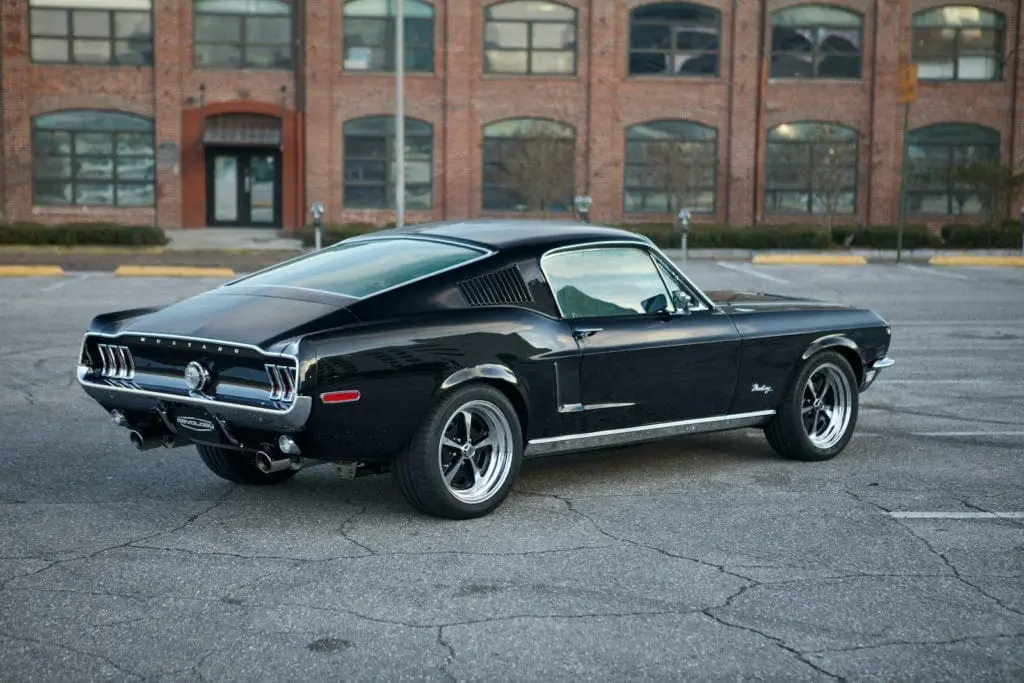
Ford’s Pony Package Interior elevated the Mustang far beyond its base configuration by adding dramatic styling and tactile refinement. The interior became a personalized statement, with details that distinguished the Mustang from competitors and helped define its cultural impact. These trims remain highly sought after among collectors.
Why the Embossed Running Horses Became a Cultural Icon
The sculpted ponies on the seatbacks of most of the early Interior Decor Group package and select other deluxe trims introduced a level of artistry rarely seen in mid-priced American cars. Their depth, stitching, and color combinations contributed significantly to the deluxe feel. Today, they remain one of the interior’s strongest visual signatures.
How Deluxe Door Panels Add Structural Refinement
Deluxe panels incorporated padded materials, chrome accents, and integrated pull handles, enhancing both comfort and perceived quality. These layered textures signal correct trim-level execution, making them essential indicators during restoration reviews and authenticity checks.
When Pony Interiors Influence Collector Decision-Making
Factory Pony interiors attract heightened interest because they combine rarity, visual impact, and documentation value. Well-preserved or correctly restored examples often achieve stronger market performance, especially when paired with desirable exterior colors or high-spec drivetrains.
Center Console Design and the Evolution of Mustang Driver Controls
The center console shaped the cabin’s structure and reinforced the Mustang’s sporty, driver-focused layout. Beyond offering convenience, it served as a visual anchor that organized controls and added an upscale feel.
How the Console Defines the Cabin Layout
The console unifies the cabin with integrated storage, radio placement, and accent trim that reflect the Mustang’s blend of sport and refinement. Deluxe and GT models often featured upgraded finishes that communicated factory intent and perceived quality.
Why Control Placement Reflects Ford’s Engineering Intent
Switches, heater sliders, and radio placement were engineered for intuitive reach, supporting the Mustang’s role as a practical yet performance-minded car. When these elements appear correctly aligned and period-accurate, they reinforce the interior’s structural authenticity.
When Reproduction Consoles Impact Authenticity
High-quality reproductions are acceptable for driver-level cars, but mismatched grain textures or incorrect chrome work are noticeable to educated buyers. In collector settings, visual harmony and material accuracy heavily influence perceived authenticity.
Original Mustang Seating and Materials That Defined Comfort and Character
Mustang seating balanced everyday comfort with sporty restraint, contributing directly to the interior’s character. Correct seat shapes, patterns, and materials play a notable role in establishing authenticity and cabin presence. These details carry considerable weight in authenticity.
How Seat Patterns Distinguish Year and Trim
Stitch styles and pleats vary by model year and package. These subtle differences help verify whether the car retains or accurately replicates its factory specification. Seat correctness is often one of the quickest visual indicators of trim integrity.
Why Correct Foam Density Influences Driving Feel
Ford engineered specific foam densities to achieve a balance between support and comfort. Modern padding alters seat contour and driving ergonomics, which can diminish the accuracy of the period. Correctly rebuilt seats preserve the intended driver sensation.
When Interior Color Codes Drive Collector Interest
Colors like Wimbledon White, Emberglo, Poppy Red and Poppy Green, and Nightmist Blue help define a car’s individuality. Rare hues or well-preserved originals significantly influence desirability. Alignment between color codes and interior presentation is essential in authenticity evaluations.
Sound Insulation and the Acoustic Personality of the Classic Mustang Cabin
The acoustic character of a classic Mustang is part of its identity, blending controlled resonance with mechanical feedback. Interior sound shaping was deliberate, reinforcing the visceral connection between driver and machine. Maintaining this balance matters in both restoration and collector evaluation.
How Factory Insulation Creates the “Mustang Soundscape”
Original jute padding, underlayment, and insulation panels were calibrated to filter noise while preserving engine note, gear whine, and road texture. This balance created the Mustang’s recognizable acoustic signature that enthusiasts still appreciate.
Why Acoustic Authenticity Matters to Collectors
Collectors value the sensory experience that connects them to the car’s mechanical nature. Overly muted cabins lose the raw, analogue feel that defines the era. Preserving acoustic authenticity keeps the driving experience aligned with the time period.
When Over-Modifying Cabin Acoustics Affects Value
Extensive sound-deadening or modern audio upgrades can noticeably shift the cabin character. While acceptable for driver builds, such modifications reduce desirability in concours-level or originality-focused restorations.
Experience Classic Mustang Style with Modern Performance
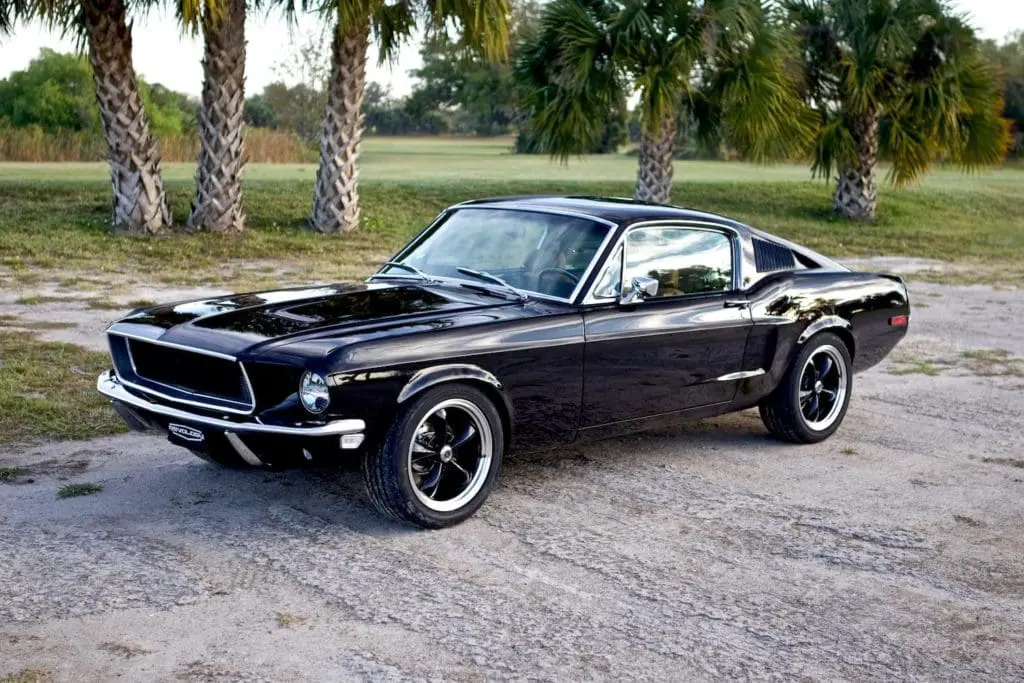
The classic Mustang interior shows how design, craftsmanship, and driver-focused layout define the car’s character and appeal. Preserving original dashboards, instruments, seating, and finishes, or accurately replicating them in our builds, helps maintain authenticity and enhances the driving experience.
At Revology Cars, we combine the classic look you love with modern engineering for performance, reliability, and comfort. Our inventory of Mustangs and Shelby GTs capture the style and presence of the original era while giving you a vehicle that drives like a modern car. Every detail of our builds is crafted to honor the heritage of the Mustang while improving usability and enjoyment.
Contact us to explore building your own modernly engineered Mustang or Shelby GT. We can guide you through our models, performance options, and customization so your car reflects both its classic roots and modern functionality.