

Classic Ford Mustang engine lifespan varies widely, with well-maintained 289, 302, and 351 Windsor engines commonly reaching 100,000 to 150,000 miles before experiencing wear-related issues, with exceptional examples often surpassing 200,000 miles or more.
This guide covers the factors that determine engine longevity, how original powertrains compare to modern reproduction alternatives, the warning signs that signal a rebuild or replacement is needed, and practical strategies for extending engine life.
Maintenance habits, driving patterns, and storage conditions collectively dictate how long a classic Ford small-block will run. Consistent oil changes, proper warm-up cycles, and climate-controlled storage protect against the wear, corrosion, and thermal stress that shorten engine life. Neglect in any one area can cut lifespan dramatically; engines with low mileage but short-trip-only use histories sometimes need rebuilds sooner than high-mileage examples that were properly warmed and serviced.
Modern reproduction powertrains offer measurable durability advantages over their 1960s-era counterparts. Electronic fuel injection, roller camshafts, improved ring designs, and tighter manufacturing tolerances reduce the chronic wear mechanisms that limited original engines to roughly 100,000-mile overhaul intervals.
Recognizing when an engine needs attention is essential for protecting both the car and your investment. Excessive oil consumption, low compression readings, unusual wear patterns, and timing chain deterioration all serve as reliable diagnostic indicators. Knowing whether to rebuild or replace depends on the severity of wear and the owner’s goals for the vehicle.
Proactive upgrades and preventative maintenance can significantly extend engine life without sacrificing the classic Mustang driving experience. We explore how Revology Cars pairs authentic styling with modern engineering to deliver powertrains built for reliable, long-term ownership.
What Factors Influence the Lifespan of a Classic Mustang Engine?
The factors that influence the lifespan of a classic Mustang engine include maintenance consistency, driving habits, and climate exposure. Each plays a distinct role in determining whether an engine lasts 100,000 miles or surpasses 200,000.
How Does Regular Maintenance Affect Engine Longevity?
Regular maintenance affects engine longevity more than any other single factor. Frequent oil changes prevent contaminant buildup, reduce bearing wear, and keep internal tolerances tight. According to the APQP manual developed jointly by Chrysler Corporation, Ford Motor Company, and General Motors Corporation, engine durability is defined as “the probability that an item will continue to function at customer expectation levels, at the useful life without requiring overhaul or rebuild due to wear-out.”
However, even disciplined oil change schedules cannot compensate for improper use. One well-documented case from Vintage Mustang Forums describes a 302 with only 38,000 miles that needed a full rebuild, despite regular 3,000-mile oil changes. The engine never reached operating temperature on its short daily commute, and that chronic underheating caused accelerated internal wear. Maintenance frequency matters, but so does allowing the engine to fully warm up during each drive cycle.
Do Driving Habits Play a Role in Classic Mustang Engine Life?
Driving habits play a significant role in classic Mustang engine life. How an owner operates the car, particularly during cold starts and warm-up periods, directly impacts wear on pistons, rings, and bearings.
Key driving behaviors that affect engine longevity include:
- Allowing the engine to reach full operating temperature before sustained high-RPM driving.
- Avoiding prolonged idling, which dilutes oil and increases moisture accumulation.
- Limiting short trips that prevent complete warm-up cycles.
- Driving at moderate, consistent speeds rather than repeated hard acceleration.
For collectors who only drive occasionally, short trips without full warm-up can be more damaging than high-mileage highway use. Often, engines that see regular, purposeful driving tend to outlast those left sitting for months between outings.
What Impact Does Climate and Storage Have on Engine Endurance?
The impact of climate and storage on engine endurance is substantial, often rivaling maintenance as a longevity factor. Humidity accelerates internal corrosion on cylinder walls, camshaft lobes, and valve stems. Salt-air environments and regions using de-icing salt compound the problem further.
Proper storage mitigates these risks. A climate-controlled garage with stable humidity protects against condensation forming inside the block. Engines stored without fogging oil or a vapor barrier can develop surface rust on cylinder bores within a single off-season. According to a Vintage Mustang Forums owner, his original 1965 289 reached 140,000 miles without an overhaul while still burning no oil, a testament to consistent care and favorable storage conditions.
When preparing a classic Mustang for extended storage, filling the fuel system, changing oil beforehand, and using a quality engine preservative all reduce climate-related deterioration. Understanding these environmental risks sets the stage for comparing original engines against modern reproduction powertrains.
How Do Original Mustang Engines Compare to Modern Reproduction Powertrains in Durability?
Original Mustang engines and modern reproduction powertrains differ significantly in durability due to decades of engineering progress. The sections below cover reliability differences and the specific advances that extend engine lifespan.

Are Modern Ford Engines in Reproduction Mustangs More Reliable?
Modern Ford engines in reproduction Mustangs are more reliable than their 1960s counterparts. Electronic fuel injection eliminates the rich and lean conditions that carbureted engines experience, preventing uneven combustion that accelerates internal wear. Contemporary Ford powertrains also benefit from precision manufacturing tolerances that were unavailable during the original Mustang production era.
Where a well-maintained vintage 289 or 302 might reach 100,000 to 150,000 miles before needing attention, modern fuel-injected engines routinely surpass 200,000 miles under similar maintenance schedules. For owners who intend to drive regularly, this reliability gap makes reproduction vehicles with contemporary engines and powertrains a practical choice worth serious consideration.
What Engineering Advances Improve Classic Mustang Engine Lifespan?
The engineering advances that improve classic Mustang engine lifespan include modern materials, precision manufacturing, and electronic engine management. According to ScienceDirect’s engineering research, engine durability represents the structural ability to withstand thermal, mechanical, and chemical mechanisms, including fatigue, wear, corrosion, and creep.
Key advances that extend service life include:
- Roller camshafts reduce friction and valvetrain wear compared to flat-tappet designs.
- Improved piston ring materials maintain compression over higher mileage.
- Electronic fuel injection optimizes air-fuel ratios continuously, reducing harmful byproducts and improving combustion consistency
- Higher-quality timing chain sets reduce risk of failure common among the nylon gears in original small-block Fords.
These improvements collectively push the engine overhaul point well beyond what 1960s machining and metallurgy could achieve, benefiting both restored originals and modern reproduction builds.
What Signs Indicate a Classic Mustang Engine Needs Rebuilding or Replacement?
The signs that indicate a classic Mustang engine needs rebuilding or replacement include excessive oil consumption, low compression, visible blow-by, and chronic wear patterns like scuffing or discoloration. Diagnosing these issues early and understanding when replacement outweighs rebuilding are covered below.
How Can You Diagnose Common Engine Wear Issues?
You can diagnose common engine wear issues through a combination of compression testing, oil consumption monitoring, and visual inspection of internal components. A compression test reveals cylinder sealing integrity, while rising oil consumption signals worn piston rings or valve seals.
According to ScienceDirect’s engineering reference on engine durability, when an engine shows excessive wear, oil consumption, or blow-by, it needs an overhaul; scuffing, scratches, unusual wear patterns, and discoloration are signs of chronic durability problems. Key diagnostic indicators to watch for include:
- Blue, gray, or white exhaust smoke during startup or acceleration
- Compression readings that vary more than 10% between cylinders
- Metal particles or unusual debris in the oil during changes
- Knocking or tapping sounds that worsen under load
- Steadily declining oil pressure at operating temperature
Engine failures can be acute, such as an abrupt rupture from overload, or chronic, developing gradually through fatigue, corrosion, and thermal stress over accumulated service time. Catching chronic symptoms early often means the difference between a straightforward rebuild and a complete replacement.
When Is It Better to Replace Rather Than Rebuild a Classic Mustang Engine?
It is better to replace rather than rebuild a classic Mustang engine when the block itself is damaged beyond safe machining limits, or when the total cost of rebuilding approaches or exceeds that of a quality replacement powertrain. Cracked blocks, severely scored cylinder walls, and warped decks often make rebuilding impractical.
As noted in Vintage Mustang Forums discussions, mileage alone is an unreliable indicator. Well-maintained 302 engines have reached 300,000 miles without a rebuild, while neglected examples needed overhauls at 50,000 miles. Condition, not odometer readings, should drive the decision.
Modern EFI engines also offer advantages that older carbureted powertrains cannot match, including precise fuel metering that prevents too lean or rich of conditions, roller camshafts, and improved ring designs. For owners who prioritize daily drivability over preserving a numbers-matching original, a modern powertrain replacement can deliver superior reliability with lower long-term maintenance costs. Collectors focused on originality, however, should weigh how a replacement affects the vehicle’s provenance and value.
Understanding when an engine needs intervention helps owners plan proactively for maintenance and upgrades that extend usable life.
How Can Owners Extend the Life of Their Classic Mustang Engine?
Owners can extend the life of their classic Mustang engine through consistent preventative maintenance and carefully selected upgrades. The following subsections cover essential maintenance steps and longevity-boosting modifications.

What Preventative Maintenance Steps Preserve Engine Health?
Preventative maintenance steps that preserve engine health include regular oil changes, compression testing, and oil analysis. These practices catch wear before it becomes catastrophic.
Key preventative maintenance steps include:
- Changing oil every 3,000 to 5,000 miles to remove contaminants and maintain proper lubrication.
- Performing compression tests periodically to reveal the engine’s true internal condition.
- Scheduling professional oil analysis to detect specific metals and chemicals that indicate which components are wearing.
- Allowing the engine to reach full operating temperature on every drive to prevent moisture and fuel dilution in the oil.
- Inspecting the timing chain and gears for stretch or nylon gear deterioration, a known failure point on Ford small-blocks.
According to a Ford Truck Enthusiasts Forums contributor, compression testing and oil analysis together provide the clearest picture of an engine’s actual condition by measuring metals and contaminants found in used oil. For owners who treat their classic Mustang as a long-term investment, building a documented maintenance history is just as valuable as the work itself.
What Upgrades Help Boost Longevity Without Compromising Originality?
Upgrades that help boost longevity without compromising originality focus on replacing known weak points with improved materials while keeping the engine visually stock. The goal is durability, not transformation.
Effective longevity upgrades that maintain a factory appearance include:
- Steel timing gear sets to replace the original nylon-toothed gears prone to disintegration.
- Hardened valve seats compatible with modern unleaded fuel.
- Modern oil filters with improved filtration media that fit original filter housings.
- Silicone coolant hoses that resist cracking far longer than original rubber.
- High-quality gasket sets using updated materials for better sealing at original torque specs.
Each of these upgrades installs behind or within the engine, preserving the correct outward appearance that collectors and show judges expect. For owners who prioritize both driving enjoyment and originality, this approach offers the best balance between reliability and authenticity. With the right maintenance and selective upgrades in place, the next consideration is how modern reproduction models address these durability challenges from the factory.
How Should You Approach Classic Mustang Ownership with Modern Reproduction Models from Revology Cars?
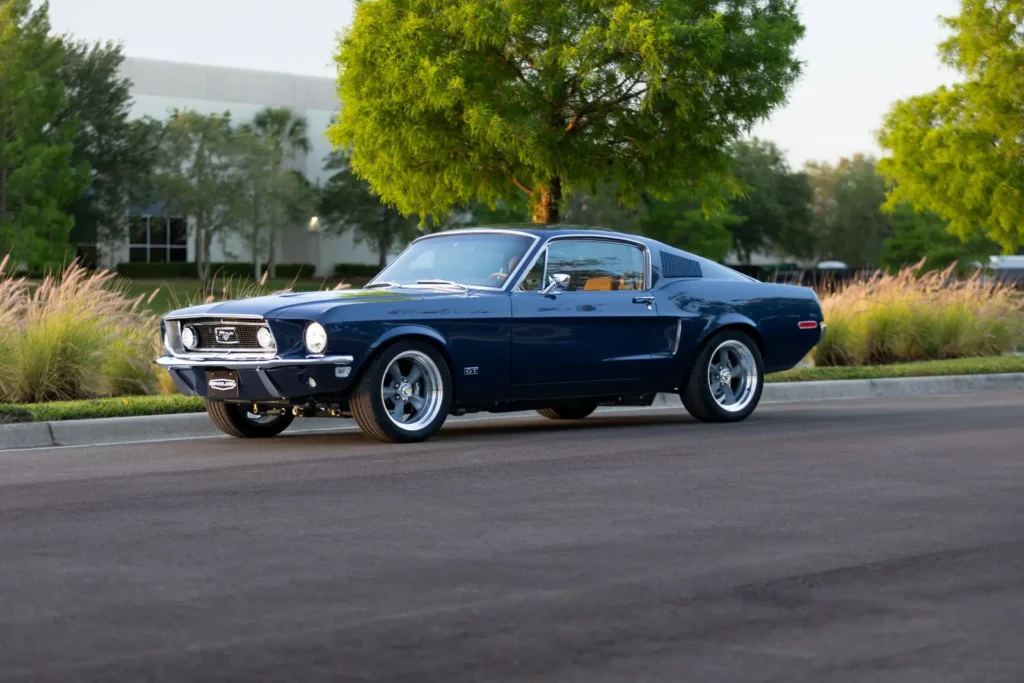
You should approach classic Mustang ownership by weighing your priorities: collectibility, daily driveability, long-term reliability, or somewhere in between. Revology Cars offers reengineered Mustangs that pair iconic styling with modern powertrain engineering.
Can Revology’s Modern Powertrains and Engineering Help Maximize Your Mustang’s Lifespan?
Yes, Revology’s modern powertrains and engineering can help maximize your Mustang’s lifespan. Original 1960s engines, while remarkably durable with proper care, face inherent limitations. Nylon timing gears, older valve seals, and carbureted fuel delivery all introduce wear points that accumulate over decades. Revology Cars addresses these concerns by building Mustangs with current-generation Ford engines and integrated electronic fuel injection, which improves air-fuel mixture and reduces flooding issues that shorten carbureted engine life. For enthusiasts who intend to drive regularly, this engineering approach offers substantially longer service intervals and reduced maintenance complexity. Owners focused on originality and collectibility, however, may still prefer a carefully maintained vintage powertrain.
What Are the Key Takeaways About Classic Mustang Engine Lifespan: How Long Do They Last? We Covered?
The key takeaways about classic Mustang engine lifespan are that longevity depends far more on maintenance discipline and driving habits than on mileage alone. Well-maintained 289, 302, and 351 Windsor engines routinely reach 100,000 to 160,000 miles before needing rebuilds, with some surpassing 200,000 miles. According to CJ Pony Parts, Ford recommends changing oil every 3,000 to 5,000 miles using 10W-30 for 1964.5 through 1973 Mustang models to keep the engine running at peak efficiency. Climate exposure, short-trip driving, and neglected cooling systems accelerate wear regardless of odometer readings. Compression testing and oil analysis remain the most reliable diagnostic tools. For those seeking classic Mustang styling with modern engine longevity, Revology Cars provides a path that sidesteps some of the maintenance and durability challenges inherent in 50-plus-year-old powertrains.