
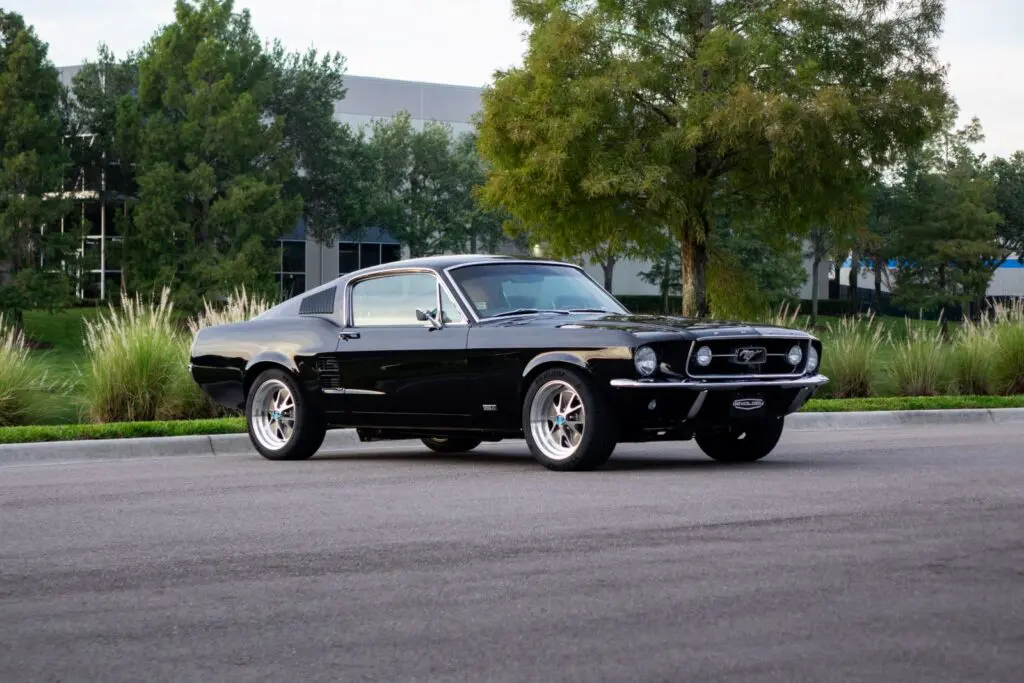
Few cars have achieved the status of the 1967 Mustang Fastback for sale. More than fifty years later, it remains one of the most recognizable silhouettes on the road. The long hood, fast-sloping roofline, and muscular stance defined what a pony car should look like, and that image still resonates with enthusiasts and collectors alike.
Classic car market reports confirm that Mustangs, in particular, have shown consistent value appreciation across decades, making them one of the most reliable collector investments.
The Fastback captures more than just style. It embodies the excitement of the 1960s, when performance cars were affordable, accessible, and packed with attitude. This emotional connection is part of why the 1967 Fastback continues to draw attention today. For many, it is not simply a machine but a memory brought back to life. Nostalgia, combined with its rarity and timeless design, keeps the car at the center of collector conversations.
When you see one on the road, whether fully restored or still wearing its patina, it is impossible to ignore. That power to captivate is a significant reason why the 1967 Mustang Fastback consistently holds and grows in value.
2. From Showroom to Auction Block: What It Cost Then and Now
Back in 1967, the Mustang Fastback was a stylish yet affordable car. The base MSRP was about $2,692, which, adjusted for inflation, translates to roughly $24,000 in today’s money. Even when fully optioned, the Fastback was far from unattainable for the average buyer.
Compare that to where values stand now, and you begin to see just how far the Fastback has come. Auction data shows that the median sale price of a 1967 Mustang climbed from around $34,000 in 2019 to more than $75,000 in 2025.
This transformation from affordable pony car to prized collectible illustrates why enthusiasts often refer to the 1967 Fastback as one of the smartest long-term automotive investments of its era.
3. How Condition Translates Into Dollars
If there is one factor that most directly determines value, it is condition. A concours-level 1967 Mustang Fastback that has been restored to exact factory specifications with every detail documented can command prices north of $80,000, sometimes considerably more. These are the cars you see winning trophies at national shows and selling for premium prices at auctions.
Move down a step to excellent condition cars, often restored with some non-original parts but still highly presentable, and values hover in the $60,000 to $70,000 range. Good condition drivers that are largely original but show signs of wear fall into the $40,000 to $50,000 bracket. Fair condition cars, which may need significant restoration, can still bring $30,000 or more, depending on desirability.
What makes the gap so wide between these categories is the cost of restoration. Returning a worn Fastback to concours condition can require hundreds of hours of labor and tens of thousands of dollars in parts. Collectors are willing to pay more for a car that has already had that investment made, which is why the market rewards quality restoration so strongly.
4. Provenance, Originality, and Rarity Matter
Beyond condition, the story of a car often makes the difference between a strong sale and a record-setting one. Provenance and originality are highly prized in the classic Mustang world. A Fastback with its original engine, transmission, and body panels will always be more valuable than one that has been modified or heavily altered.
Documentation plays a considerable role here. Items such as a Marti Report, original build sheet, and ownership history provide authenticity that buyers want to see. This emphasis on provenance is supported by academic research, which notes that investing in classic cars is often less about financial speculation and more about passion and authenticity, with originality and documentation serving as the emotional anchors of value
Rare options, such as factory-installed S-code 390 engines, unique color combinations, or special-order features, also elevate value.
For collectors, these details transform a car from just another Fastback into something truly special. A one-of-one build with factory documentation can easily command a premium because it cannot be replicated. This exclusivity drives desirability, and desirability drives value.
5. Market Momentum: Why Values Keep Climbing

Classic cars are subject to the same forces as any other collectible: supply and demand. The supply of original 1967 Mustang Fastbacks is shrinking every year. Accidents, rust, and neglect have claimed many, while others have been modified beyond recognition. At the same time, demand has never been stronger.Especially among enthusiasts who understand how to maintain classic Mustang GT long-term value through preservation and restoration.
The Mustang brand enjoys a cross-generational appeal, with Baby Boomers who grew up with these cars still showing strong interest. At the same time, younger collectors increasingly regard the Fastback as a symbol of American performance heritage.
Market summaries, including recent data-driven reports, suggest the collector car market is settling into a new normal of stability—reflecting steady but enduring demand even in a post‑boom environment
As restoration quality continues to improve and more enthusiasts enter the market, the trajectory of values looks stable if not upward. The 1967 Fastback benefits from being part of a market where supply is limited and demand is enduring, creating an environment where values are likely to continue climbing.
6. Where Revology Fits in the Picture
While original 1967 Mustang Fastbacks hold their place in the collector market, Revology Cars offers a modern take that carries the legacy forward. A Revology Mustang Fastback looks every bit the part of a 1967 classic, but underneath, it is a fully modern automobile with contemporary engineering, reliability, and safety.
Revology’s licensed reproduction Fastbacks start at prices well over $280,000, with industry coverage confirming that the least expensive Fastback model is priced at around $283,000—a figure that highlights the craftsmanship and exclusivity behind these modern recreations.
Resale values for Revology Mustangs remain strong, thanks to limited production, consistent demand, and the fact that they offer something few cars can: the charm of a classic with the comfort of a modern vehicle.
For many buyers, a Revology Mustang provides the best of both worlds combining vintage charm with modern reliability, much like the philosophy behind what makes 1967 Mustang GT GTA 2-2 Fastback unique. You enjoy the timeless style of the Fastback without the compromises of owning a fifty-year-old car.And because Revology cars are built to such a high standard, they carry their own reputation in the collector and restomod markets, ensuring strong resale potential.
7. Smart Ways to Preserve Your Mustang’s Value
Whether you own an original 1967 Fastback or a modern Revology reproduction, there are practical steps you can take to protect your investment.
First, maintain thorough documentation. Keep all receipts, restoration records, and ownership history organized. A well-documented car will always be worth more than one without a paper trail.
Second, preserve originality whenever possible. If you are restoring a car, use period-correct parts and avoid unnecessary modifications. Original engines, transmissions, and body panels are key drivers of value.
Third, store your Mustang properly. Climate-controlled storage helps prevent rust, fading, and mechanical issues. Protecting the car from the elements is one of the simplest and most effective ways to safeguard its condition.
Finally, consider an agreed-value insurance policy to ensure your car is covered at its full market value. With the collector car market moving upward, reviewing your policy regularly keeps your investment protected.
By following these steps, you not only preserve your car’s current value but also position it to appreciate in the years ahead.
Why the Fastback’s Story Never Ends
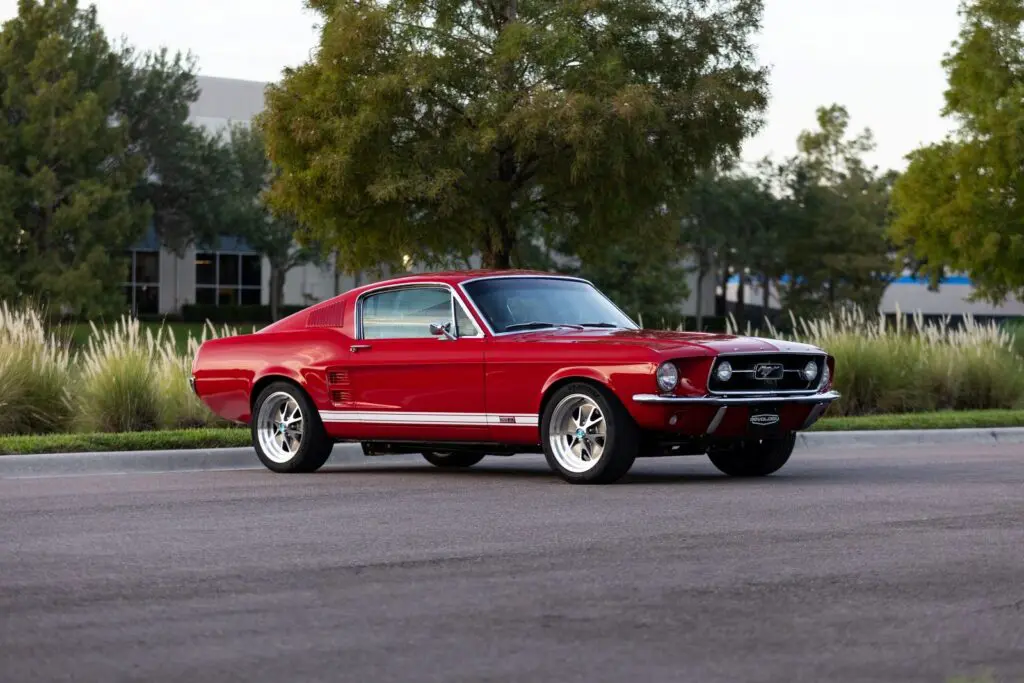
The 1967 Mustang Fastback has proven that it is far more than just another classic car. Its design, history, and cultural impact ensure that it continues to hold and grow in value. From its humble beginnings as a $2,692 showroom model to six-figure auction results today, the Fastback’s journey reflects both its enduring appeal and the strength of the classic Mustang market.
Condition, provenance, and rarity will always influence individual values, but the broader trend is clear: demand for these cars is not slowing down. For collectors who want the original experience, the 1967 Fastback is a wise investment. For those who prefer modern reliability wrapped in classic style, Revology Cars offers a compelling alternative that holds value while delivering unmatched drivability.
Whether original or reimagined, the Mustang Fastback remains one of the most enduring and desirable cars ever built. Its ability to captivate, appreciate, and connect with drivers across generations ensures that it will keep its value for many years to come.