
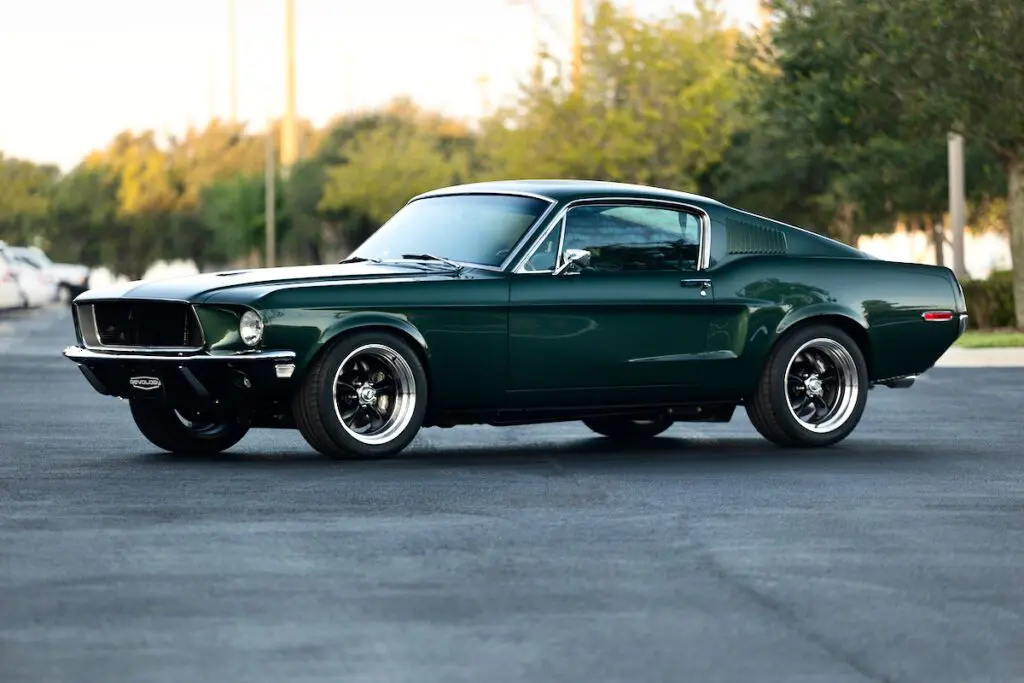
The 1968 Mustang GT Fastback for sale has established itself as one of the most iconic muscle cars in automotive history and provided unmatched presence and driver engagement at its time.
It rolled off the factory lines with two transmission options: manual and automatic. Choosing both transmissions in this classic comes down to how each setup shapes the driving experience. Manuals give drivers direct control over gears, while automatics focus on ease and consistency.
According to Holley, Ford produced 42,581 Mustang GT Fastbacks in 1968, out of which most cars had the manual transmission from the factory. This highlights how central manual shifting was to the muscle car era. Today, this choice still defines the feel, performance, and even the value of a classic Mustang.
Read this guide to see how both options compare in engagement, comfort, reliability, and collector appeal so you can decide which transmission truly delivers the better experience behind the wheel of the 1968 GT Fastback!
Meet the 1968 Mustang GT Fastback
The 1968 Mustang GT Fastback is a symbol of American muscle car excellence. Its sleek fastback design, wide stance, and aggressive styling make it a car that turns heads wherever it goes.
The GT package added sporty features such as dual exhaust, fog lamps, and racing stripes, giving it an unmistakable presence. Under the hood, you could find powerful V8 engines like the 390 or the legendary 428 Cobra Jet, both delivering thrilling acceleration and speed.
The combination of style, power, and performance makes the 1968 Mustang GT Fastback a car that drivers and collectors alike deeply admire. Its balance of performance and design makes it perfect for spirited drives on winding roads or relaxed cruising on highways.
Comparing Manual vs. Automatic Transmissions in the 1968 GT Fastback
The choice between manual and automatic in a classic like the 1968 Mustang GT Fastback is about more than convenience. It affects how the car feels, how it responds, and how connected you feel to the driving experience.
For the 1968 Mustang GT Fastback, buyers had a few factory transmission options:
- 3-speed manual: Standard on many GTs, it offered a direct, mechanical connection with the engine.
- 4-speed manual: Heavy-duty option preferred by enthusiasts for spirited driving and better control over engine power.
- 3-speed automatic (C4): Ford’s “Select-Shift Cruise-O-Matic” automatic transmission provided easier driving in traffic and smoother shifting.
These three choices allowed buyers to prioritize either performance and engagement or comfort and convenience much like the transmission balance found in the 1967 Shelby GT500, where big-block power met refined drivability.
Comparing Manual vs. Automatic in the 1968 Mustang GT Fastback
When it came to selecting a transmission for the 1968 Mustang GT Fastback, buyers had two primary options: the manual and the automatic. Each offered distinct driving experiences, and the choice often reflected personal preference, driving habits, and the intended use of the vehicle.
Driving Feel and Engagement
The driving feel of the 1968 Mustang GT Fastback depended a lot on which transmission you chose. With the 4-speed manual, every shift gave the driver a real sense of control. You could feel the engine respond immediately when you pushed the clutch and changed gears. This made the car feel lively and connected, especially on winding roads or during fast accelerations.
The automatic transmission, the C4 Select-Shift, offered a very different experience. It made driving smoother and easier because you didn’t have to shift gears manually. While it was convenient in traffic or for long drives, it lacked the hands-on engagement that made the manual version so thrilling.
Many enthusiasts preferred the manual GT Fastback because it gave a more “muscle car” experience. With the manual, you could really sense the power of the 390 or 428 engines through your hands and feet. On the other hand, buyers who wanted comfort and effortless driving often went for the automatic, especially in cities where stop-and-go traffic was common.
Pedal Feel and Shifting Experience
When it comes to the 1968 Mustang GT Fastback, the way the car communicates through the pedals and shifter is a big part of what makes driving it so memorable. The manual and automatic options offer very different experiences, so let’s break down what each feels like behind the wheel.
Manual 4-Speed Toploader
The 4-speed Toploader manual was strong and offered a direct connection to the car’s power.
- Clutch feel: The pedal is firm with a distinct bite point, requiring intentional pressure to engage. This gives the driver complete control over gear engagement.
- Shifting pattern: The H-pattern shifter delivers precise mechanical control, letting you feel each gear change directly.
- Driver connection: Each shift allows the driver to sense engine torque and responsiveness, creating a dynamic, hands-on driving experience.
- Performance impact: Smooth clutch modulation influences acceleration, cornering, and overall engine response.
- Engagement: Offers a sense of involvement and precision, which appeals to enthusiasts who enjoy an active driving style.
Automatic C4 Cruise-O-Matic / SelectShift
The C4 Select-Shift three-speed automatic prioritized comfort and ease.
- Pedal setup: Without a clutch, driving becomes simpler, requiring only brake and accelerator use. This is especially helpful in city traffic or on hills.
- Shifting feel: Gear changes are smooth and uninterrupted, eliminating mechanical vibrations felt through the cabin.
- SelectShift option: Let’s drivers hold lower gears when needed for engine braking or controlled acceleration, though it lacks the tactile feedback of a manual.
- Comfort: Long trips feel relaxed, with less physical effort and more consistent power delivery.
- Popularity: Many 1968 buyers preferred automatic for convenience in daily driving or casual cruising, making it a practical choice for broader audiences.
Ultimately, pedal feel and shifting experience define how connected a driver feels to the Mustang GT Fastback. The manual emphasizes engagement and control, while the automatic emphasizes comfort and ease, showing why both options had their appeal back in 1968.
Sound and Vibration Through the Cabin
The 1968 Mustang GT Fastback offered a very distinct cabin experience depending on the transmission. With the 4-speed manual, the engine’s growl and exhaust note came through more directly. Every shift created a subtle thrum in the pedals and floorboard, letting the driver feel the mechanical connection between the engine and the wheels. This tactile feedback added to the excitement of driving and made the car feel alive.
The automatic GT Fastback, while smoother, dampened much of this raw sensation. The torque converter absorbed some engine vibrations, resulting in a quieter and more refined ride. Road noise and engine tone were less pronounced, which made the cabin more comfortable for longer drives but slightly less thrilling for enthusiasts who loved feeling every gear change.
Many owners in 1968 noticed that manual cars delivered a more “muscle car” sound experience, with audible revs during acceleration and downshifts. Automatic drivers enjoyed reduced vibrations and a calmer environment, which was appealing for daily commuting or cruising on highways. The immersive connection between car and driver echoed the same spirit that defined the 1967 Shelby GT500 and the track-inspired 1968 Shelby GT350 Fastback vehicles celebrated for turning every drive into a sensory experience.
Launch and Acceleration Performance
The acceleration capabilities of the 1968 Mustang GT Fastback varied notably between the manual and automatic transmission options, influenced by factors such as engine choice, transmission type, and rear axle ratios.
Manual Transmission Performance
Equipped with the 4-speed Toploader manual transmission, the Mustang GT Fastback offered a more engaging driving experience. The manual transmission allowed for precise control over gear shifts, enabling drivers to optimize engine power delivery during acceleration.
- 0-60 mph Time: The manual transmission achieved a 0-60 mph time of approximately 6.4 seconds.
- Quarter Mile Time: In quarter-mile tests, this configuration completed the distance in about 15.2 seconds at a speed of 91.0 mph
Automatic Transmission Performance
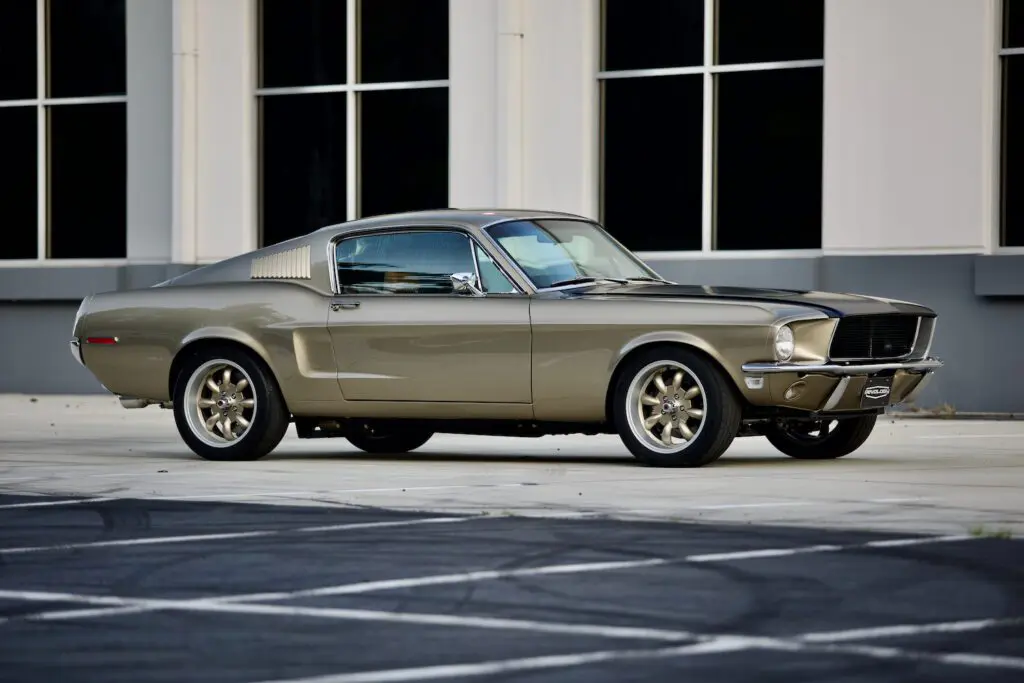
The automatic transmission option for the 1968 Mustang GT Fastback was the C4 Select-Shift Cruise-O-Matic. This 3-speed automatic transmission offered ease of use, particularly in urban driving conditions.
- 0-60 mph Time: According to Mustang Specs, an automatic GT with the 390-cubic-inch V8 achieved a 0-60 time of 6.3 seconds.
- Quarter Mile Time: The same car achieved a quarter-mile time of 14.8 seconds.
The more powerful Mustang GT Fastback 2+2 428 Cobra Jet V-8 equipped with the 3-speed automatic transmission did a 0-60 time of 5.9 seconds and completed the standing quarter mile in 14/3 seconds.
Gear Ratios and Rear Axle Influence
In the 1968 Mustang GT Fastback, the interplay between transmission gear ratios and rear axle ratios played a pivotal role in shaping the vehicle’s performance characteristics. These components, often overlooked in casual discussions, were integral to the driving experience, influencing acceleration, cruising comfort, and overall driving dynamics.
Manual Transmission Gear Ratios
The standard 4-speed manual transmission in the 1968 Mustang GT Fastback featured closely spaced gear ratios, designed to keep the engine within its optimal power band during acceleration. The gear ratios were:
- 1st Gear: 2.78:1
- 2nd Gear: 1.93:1
- 3rd Gear: 1.36:1
- 4th Gear: 1:1 (direct drive)
These ratios allowed for quick acceleration and smooth transitions between gears, enhancing the car’s responsiveness and driving engagement.
Automatic Transmission Gear Ratios
The automatic transmission option, the C4 Select-Shift, offered a different set of gear ratios:
- 1st Gear: 2.46:1
- 2nd Gear: 1.46:1
- 3rd Gear: 1:1 (direct drive)
While these ratios provided smooth shifting and ease of driving, they resulted in slightly less aggressive acceleration compared to the manual transmission, catering to drivers seeking comfort and convenience.
Rear Axle Ratios
The rear axle ratio, also known as the final drive ratio, further influenced the vehicle’s performance. For the 1968 Mustang GT Fastback, the available rear axle ratios included:
- 2.75:1
- 2.79:1
- 3.00:1
- 3.20:1
- 3.25:1
- 3.50:1
A lower rear axle ratio (e.g., 2.75:1) allowed for higher top speeds and better fuel efficiency, making it suitable for highway cruising. Conversely, a higher rear axle ratio (e.g., 3.50:1) provided quicker acceleration, beneficial for performance driving and drag racing.
Combined Impact on Performance
The Mustang’s performance depended heavily on how its transmission and rear axle ratios worked together. A 4-speed manual with a 3.50:1 rear axle gave strong acceleration and a lively driving feel, which many enthusiasts loved. Meanwhile, an automatic paired with a 2.75:1 rear axle offered smoother, easier driving and better fuel efficiency, making it a popular choice for those who wanted comfort and practicality. Choosing this setup can also help maintain classic Mustang GT long-term value with less strenuous driving.
Everyday Usability and Comfort
The 1968 Mustang GT Fastback’s transmission choice significantly influenced its daily usability and comfort.
The manual transmission, while offering an engaging driving experience, required more effort in stop-and-go traffic. Drivers needed to frequently engage the clutch and shift gears, which could be tiring during long commutes or in congested areas. Additionally, the manual gearbox’s design meant that the car lacked modern amenities like power steering or air conditioning, making it less comfortable for daily use.
In contrast, the automatic transmission provided a more relaxed driving experience. The C4 3-speed automatic, available as an option, simplified driving by eliminating the need for manual gear changes. This made the car more user-friendly, especially in urban settings. Moreover, the automatic transmission was often paired with additional comfort features, enhancing the overall driving experience.
Maintenance and Reliability
When looking at the 1968 Mustang GT Fastback, maintenance and reliability are important factors that often influenced buyers’ choices back in the day.
The manual transmission, usually a 4-speed Toploader, is known for its toughness. Drivers who preferred manuals enjoyed the hands-on control it offered, but it did require regular clutch checks, fluid changes, and occasional adjustments to keep it smooth. With proper care, these gearboxes could last for hundreds of thousands of miles, which is why many collectors favor an original manual setup.
Automatic transmissions, most commonly the C4 3-speed, were chosen for convenience. They allowed easier driving in city traffic and reduced fatigue on long highway runs. Maintenance mainly involved fluid and filter changes, along with periodic band adjustments. While generally reliable, neglecting service could lead to issues like slipping gears or harsh shifts.
Owners who liked engagement and performance leaned toward manuals, while those valuing comfort and ease often picked automatics. Today, both transmissions hold value among enthusiasts. Manuals are prized for authenticity and driving feel, whereas automatics are appreciated for smooth, stress-free operation. In either case, careful upkeep ensures long-term reliability and preserves the car’s collector value.
Collector Value and Originality
In the classic car market, the 1968 Mustang GT Fastback’s transmission type significantly impacts its value. Manual transmission models, especially those equipped with the 390 or 428 Cobra Jet engines, are generally more sought after due to their enhanced performance and driving engagement. If you are unfamiliar with this powerful option, you can learn what the Mustang GT Cobra Jet is in detail.
In contrast, automatic transmission models of the same year and model have seen listings around $65,000, indicating a lower valuation. The rarity of manual transmission GT Fastbacks contributes to their desirability, as fewer units were produced with this configuration.
Therefore, for collectors prioritizing originality and performance, the manual transmission 1968 Mustang GT Fastback is often the preferred choice as it holds higher market values today.
Upgrade and Swap Options
For 1968 Mustang GT Fastback owners, upgrading or swapping transmissions is a popular way to boost performance and enjoy a more personalized driving experience. Many drivers looking for engagement often turn to manual upgrades. The classic T5 5-speed conversion is widely favored because it brings overdrive gears, smoother shifting, and a more responsive feel while keeping the original muscle car character. Kits from suppliers like CJ Pony Parts include everything from bell housing to clutch assembly, making the swap achievable without major engine modifications.
Automatic enthusiasts often consider the AOD (Automatic Overdrive) transmission. It provides a relaxed cruising experience, better highway fuel efficiency, and smooth gear transitions, making it ideal for daily driving or long road trips. Companies like Lentech and Performance Automatic design AOD kits specifically for classic Mustangs, maintaining reliability while upgrading performance.
Ultimately, the choice depends on your driving style. Manual swaps deliver a more connected, spirited feel, while automatic upgrades offer comfort and practicality. Both options can transform a 1968 Mustang GT Fastback into a more enjoyable and capable classic car.
Manual vs. Automatic: Which Transmission is The Better Option?
After exploring every angle of the 1968 Mustang GT Fastback, it’s clear that the transmission choice shapes the driving experience.
Here’s a concise look at how each option stands out:
- Manual Transmission: Lets you control every gear, giving a true hands-on muscle car feeling. Great for drivers who love a connected, engaging ride.
- Automatic Transmission: Shifts smoothly on its own, making it easier to drive in traffic or on long trips. Perfect for those who want comfort over constant gear changes.
- Fun to Drive: Manual gear changes make driving exciting and immersive. Automatic makes cruising relaxed and stress-free.
- Performance: Manuals feel quicker off the line and respond to driver input instantly. Automatics offer steady, reliable acceleration without fuss.
- Collector Value: Original manuals appeal to muscle car purists. Automatics attract buyers looking for convenience and easy driving.
Manual Or Automatic, Revology Cars Will Build the GT Fastback You Need
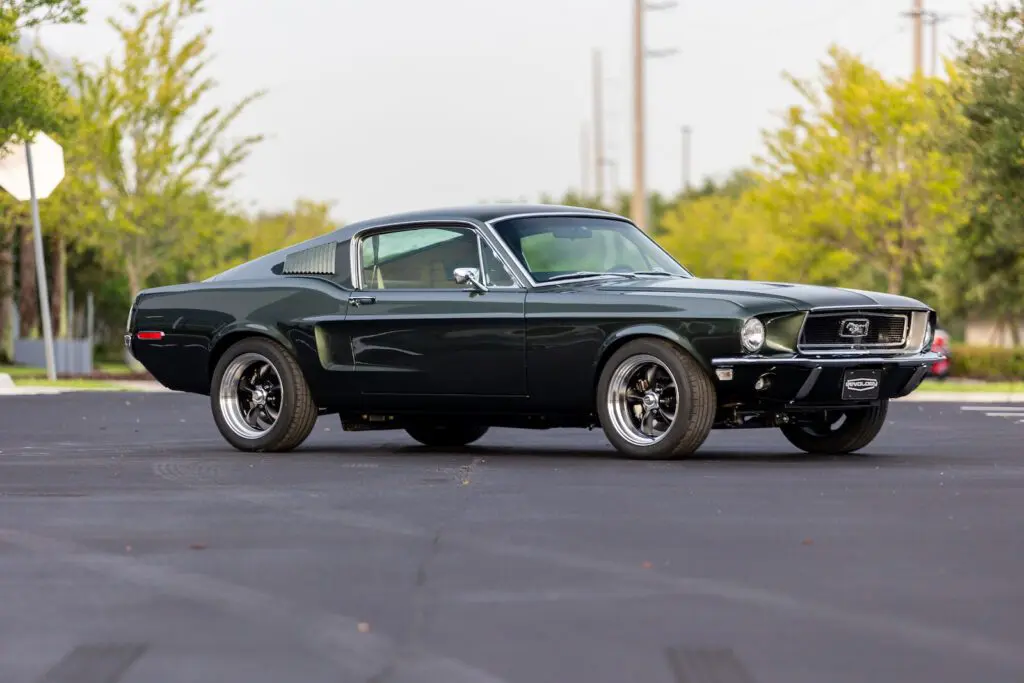
The choice between a manual and an automatic in the 1968 Mustang GT Fastback defines the way you experience this legendary car. A manual offers direct connection and spirited control, while an automatic brings smooth, effortless cruising. Each transmission highlights a different side of the GT Fastback’s personality, letting you enjoy the classic muscle car in a way that fits your style.
At Revology Cars, we understand that every enthusiast is unique. That’s why our 1968 Mustang GT 2+2 Fastback offers both transmission options, paired with the powerful 460hp 5.0L Ti-VCT Coyote V8 engine. This combination ensures that whether you’re tearing up the track or enjoying a scenic drive, your Mustang delivers unparalleled performance and comfort.
Ready to experience the perfect blend of classic styling and modern engineering? Visit Revology Cars to explore our models and begin your journey toward owning a Mustang that truly fits your driving style.