

The year 1967 was a watershed moment for American automotive design. It was the year Ford sculpted the Mustang into a machine that was more than just a car; it became an icon of power, style, and raw performance.
That year, total Mustang production reached 472,121 units, though dealer sales fell by 31.2% to 377,827, reflecting both changing market dynamics and a shift in buyer priorities toward performance and design upgrades.
The 1967 Mustang GT was a turning point, a masterstroke of design that sent ripples through the industry, influencing the very DNA of muscle cars for generations to come. Its aggressive stance, powerful lines, and unmistakable presence are not just relics of the past; they are the blueprint for the modern muscle cars we see on the road today.
At Revology, we understand this legacy because we live it. Our mission is to capture the spirit of these classics and reimagine them with modern engineering, creating a driving experience that is both timeless and thrilling.
The Automotive World Before the 1967 Mustang GT
In the mid-1960s, the American automotive landscape was a battleground of horsepower and style. Although stylish and popular, the early Mustang models weren’t yet the actual thoroughbred muscle cars they would become; they laid the groundwork for the “pony car” segment. Enthusiasts craved more.
Ford had anticipated selling 100,000 units in the Mustang’s inaugural year. Still, demand exceeded expectations, with 1 million Mustangs sold within its first 18 months, revealing a voracious public appetite for performance-driven vehicles. Detroit’s horsepower wars were underway, and the stage was set for a new kind of Mustang, one that would soon redefine the meaning of American muscle.
The Birth of the 1967 Mustang GT
With the pony car market heating up and competitors closing in, Ford knew the Mustang needed to evolve. It had to be more than just stylish; it needed to be formidable. Ford’s answer was the 1967 model, the first major redesign of the Mustang, featuring a sleeker, more aggressive stance and powerful V8 engine options that marked a decisive step into muscle car territory. This wasn’t a minor refresh; it was the Mustang’s coming of age.
The most crucial change was the body itself. The 1967 Mustang for sale was a full 2 inches longer (183.6 inches) and 2.5 inches wider than prior models, a strategic and functional enlargement that gave it a more substantial and aggressive stance, and paved the way for accommodating a big-block V‑8 engine under the hood.
Visually, the car was a masterpiece of controlled aggression. What had begun as clean, simple lines now featured deeper, more complex sculpting. The grille opening was larger and more deeply set, giving the front end a hungrier, more intimidating presence. The signature side scoops became painted body-color accents, more pronounced and functional in appearance, and the rear taillight panel adopted a concave profile that added dimension and drama. The newly sculpted fastback roofline offered a sleek, uninterrupted sweep to the trunk lid, creating a standing profile that suggested speed even at rest.
The 1967 Mustang GT was the result of a perfectly harmonized design-engineering effort: a vehicle that looked the part and had the hardware to deliver. Efficiently powerful and beautifully balanced, it was equally at home making a grand entrance on a Saturday night or laying down rubber at a stoplight. It embodied the perfect fusion of American style and raw muscle.
Design Elements That Defined the 1967 Mustang GT
The 1967 Mustang GT was a masterclass in automotive design, a symphony of aggressive lines and subtle details coming together to create an unforgettable presence.
The front grille was a work of art, a gaping maw devouring the road ahead and flanked by a menacing glare of dual headlights. The side scoops and sculpted body panels were not merely decorative; they hinted at the power humming beneath the hood.
The fastback silhouette, a sweeping, uninterrupted line flowing from roof to rear spoiler, screamed performance, visually encapsulating speed and power. Inside, the luxurious yet sporty interior embodied Ford’s commitment to delivering a complete driving experience. Each of these elements spoke a powerful visual language of freedom, adrenaline, and automotive passion.
According to the Mustang Attitude Data Explorer, the 1967 redesign featured a noticeably deeper grille opening, dual side scoops, and a concave rear taillight panel. It widened bodywork, design cues that enhanced both performance and presence.
Influence on Modern Muscle Cars
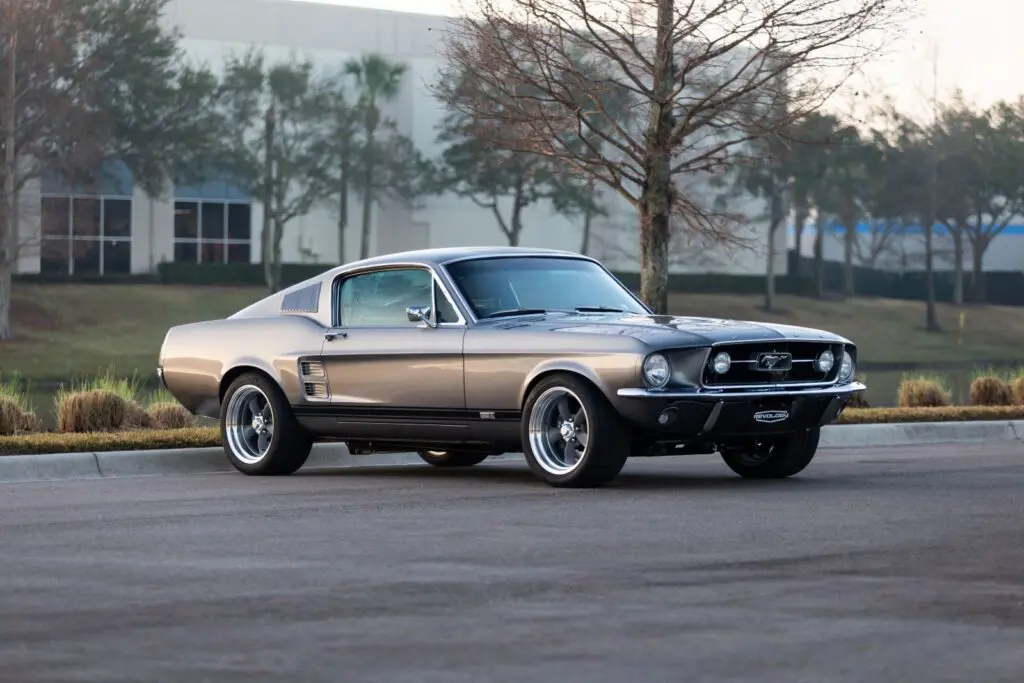
The influence of the 1967 Mustang GT on modern muscle cars is not just undeniable; it is a foundational element of their design language. This car didn’t just deliver a successful model year; it cast a long shadow that designers are still working within today. Its DNA is evident within Ford’s lineage.
According to Hagerty, the fifth-generation Mustang introduced in 2005 was previewed by the S-197 concept at the 2003 Detroit Auto Show and marked a turning point where retro-inspired design reconnected with the soul of the original pony car, a theme mirrored in evolution of Mustang GT look back.
When Ford reignited the pony car wars with the 2005 Mustang, its competitors had little choice but to follow suit. Similarly, the 2010 Chevrolet Camaro was a direct response to Ford’s success and adopted many of the golden-era styling principles, such as the low-slung silhouette, powerful shoulder lines, and aggressive front-end profile, that were hallmarks of the muscle car’s most iconic period.
This retro wave of the 2000s was more than nostalgia; it was a market-wide admission that the visual language forged by cars like the 1967 Mustang GT was timeless. It set the standard for what a muscle car should be: aggressive yet stylish, powerful in its stance, and deeply rooted in performance heritage. Its legacy lives not just in the details, but in the entire posture and attitude of the modern muscle car.
Revology Cars and the Legacy of the 1967 Mustang GT
At Revology Cars, the legacy of the 1967 Mustang GT is not just an inspiration; it is the foundation of what we do. Our reproduction Mustangs are a testament to the lasting impact of this iconic design. We meticulously recreate the timeless beauty of the original, while integrating modern technology to create a car that performs as well as it looks.
We believe in balancing vintage design with modern innovation, creating a driving experience that is both nostalgic and exhilarating. For our customers, owning a Revology Mustang is about more than just owning a car; it’s about connecting with a piece of automotive history, a car that feels like 1967 but drives like today.
Why the 1967 Mustang GT Resonates Today
The 1967 Mustang GT resonates with enthusiasts today for reasons that go beyond its stunning design. It embodies deep emotional and cultural significance, symbolizing freedom, rebellion, and an unapologetic style. Hollywood played a key role in elevating its legendary status: Steve McQueen’s iconic chase in Bullitt, featuring the 1968 Mustang GT fastback (the ’67 model’s close sibling), transformed it into a timeless cultural emblem.
As reported by the Financial Times, the film’s appearance significantly elevated the Mustang’s cultural cachet, and auction results, including one car fetching $3.74 million, underscore its enduring legacy as a symbol of American muscle and cinematic cool.
The Future of Muscle Cars Inspired by the 1967 Mustang GT
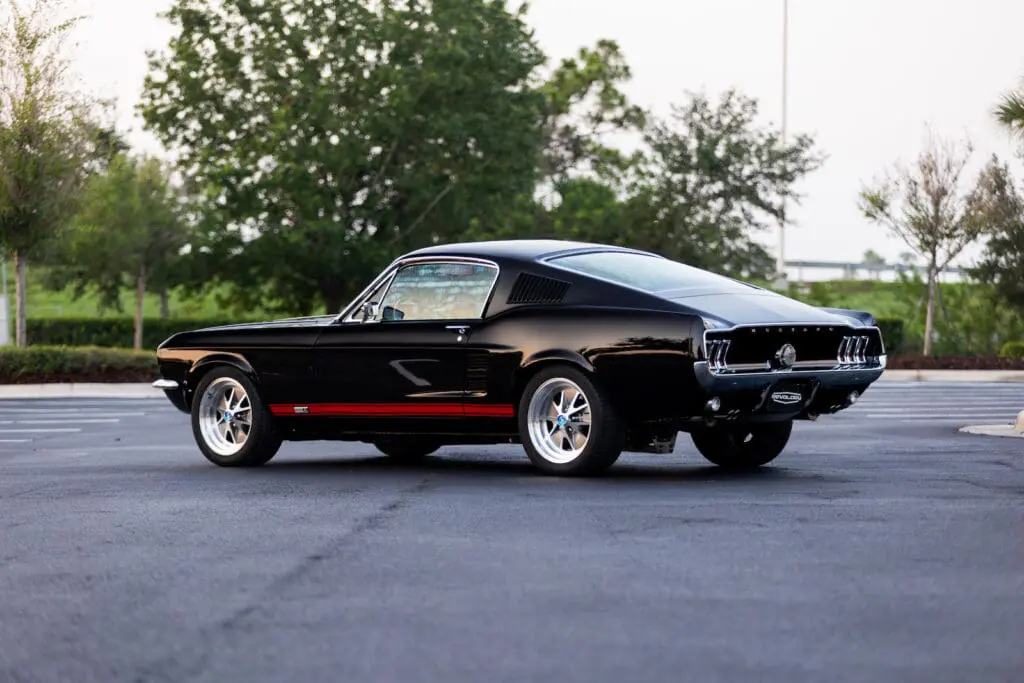
As the automotive industry moves towards an electric future, the spirit of the 1967 Mustang GT lives on. Even in the age of electric muscle cars, the design language of the 60s remains relevant. Manufacturers are still drawing inspiration from the retro styling of the past, proving that great design is timeless.
The soul of the 1967 Mustang GT, its aggressive stance, and its unmistakable presence will continue to inspire the muscle cars of the future, regardless of the powertrain. The legacy of this automotive icon is not just in its past, but in its ability to shape the future.
The Legend Lives On
The 1967 Mustang GT was more than just metal, glass, and rubber; it was the moment an icon found its most potent form. Its bold design set the blueprint for American muscle, creating a visual language of power and performance that continues to echo in the showrooms of today. This enduring legacy is a testament to a design that perfectly captured the spirit of its time while becoming utterly timeless.
While owning an original is a dream for many, the reality of 1960s engineering can be a challenge. At Revology, we believe that dreams shouldn’t come with compromises. We honor the GT’s heritage by meticulously recreating its iconic form, then elevating it with the performance, reliability, and comfort of a modern vehicle.
Ready to stop dreaming and start driving? Explore our lineup of reimagined classics or contact our design and sales team to configure the 1967 Mustang GT that you’ve always wanted.